Our trip to Morocco was even better than we imagined. We looked forward to a very different culture, opportunities to shop for crafts, and an adventure. We found everything, but also encountered unanticipated surprises and delights. Make yourself a sweet mint tea, grab a comfy cushion and cozy up to a photo recap of our top twelve experiences, in roughly chronological order. The first six experiences are in this blog, and six more are in the next one. Also see the separate blog for the very colorful Jardin Majorelle.
Anywhere you see a block of smaller photos, I suggest clicking one to make it bigger, then use arrow keys.
1. Hassan II Mosque, Casablanca
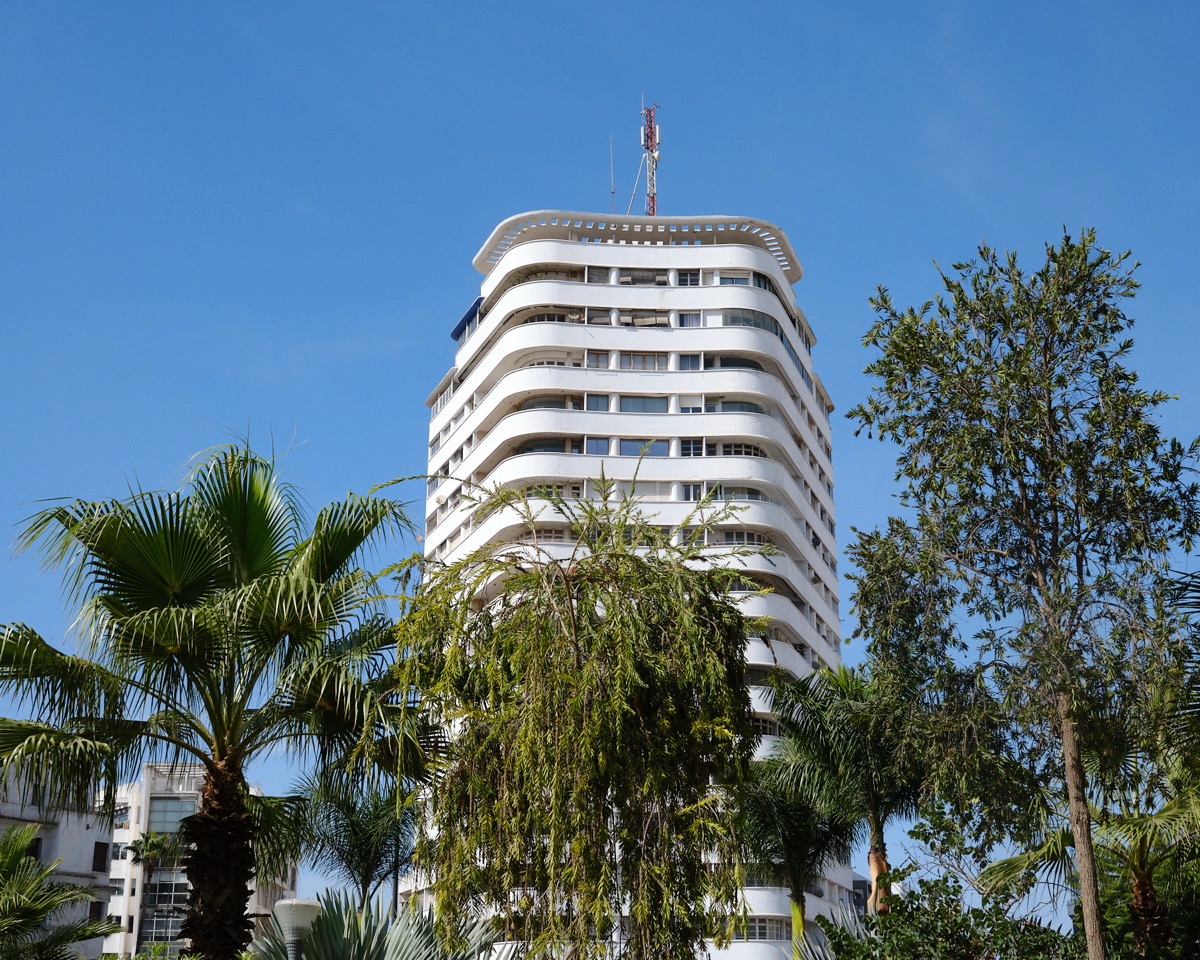
We landed in Casablanca, Morocco’s most populous city, which is modern and industrious. It has white buildings with curving balconies, somewhat similar to Tel Aviv.
We woke up to a delightful and plentiful gluten-free meal at Holy Brunch, visited a museum in an art deco mansion, sauntered through our first souk (market)—while failing to negotiate for our first taxi and being taken for a ride! After than, Audrey took over all negotiations ;)
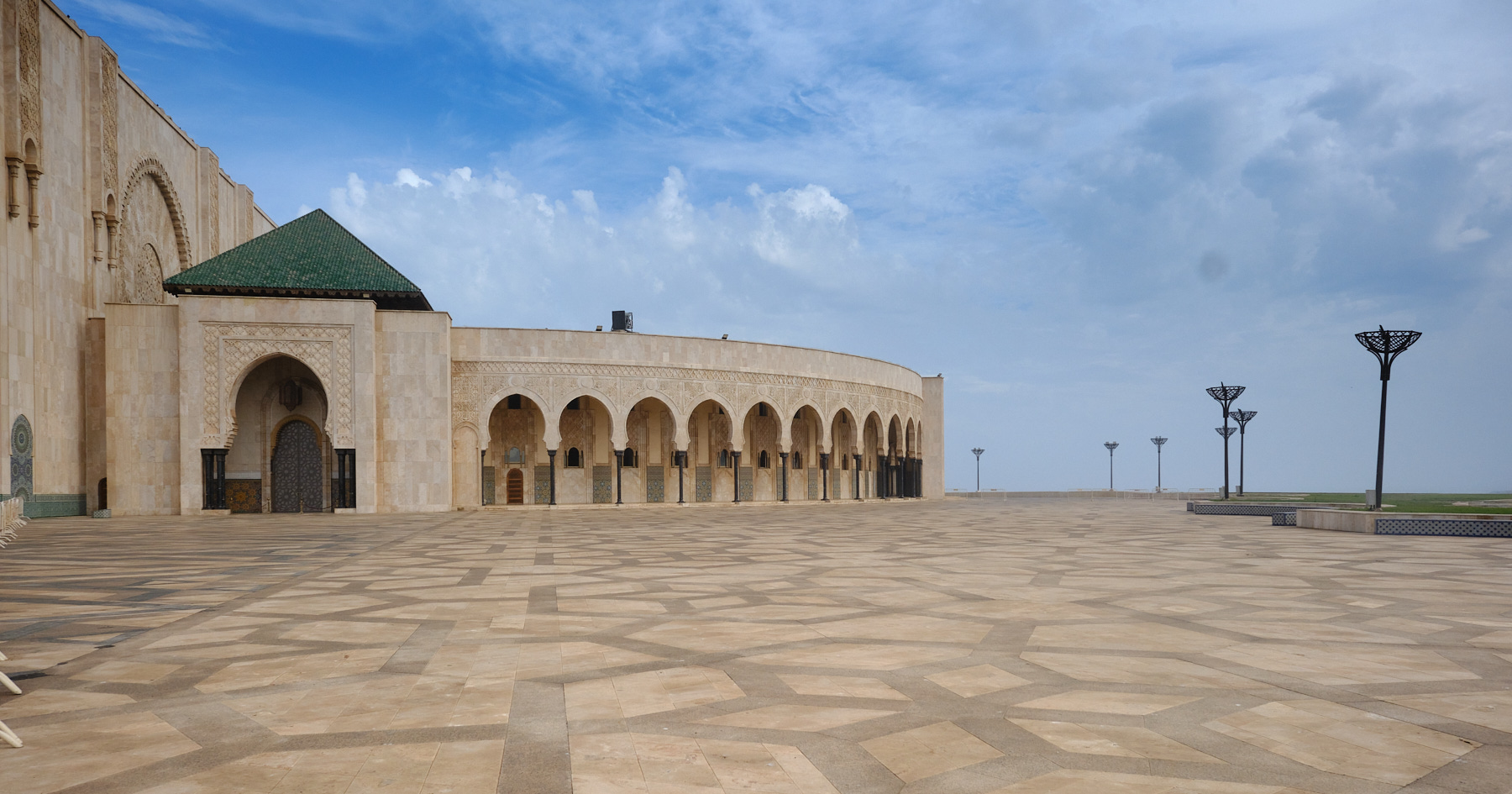
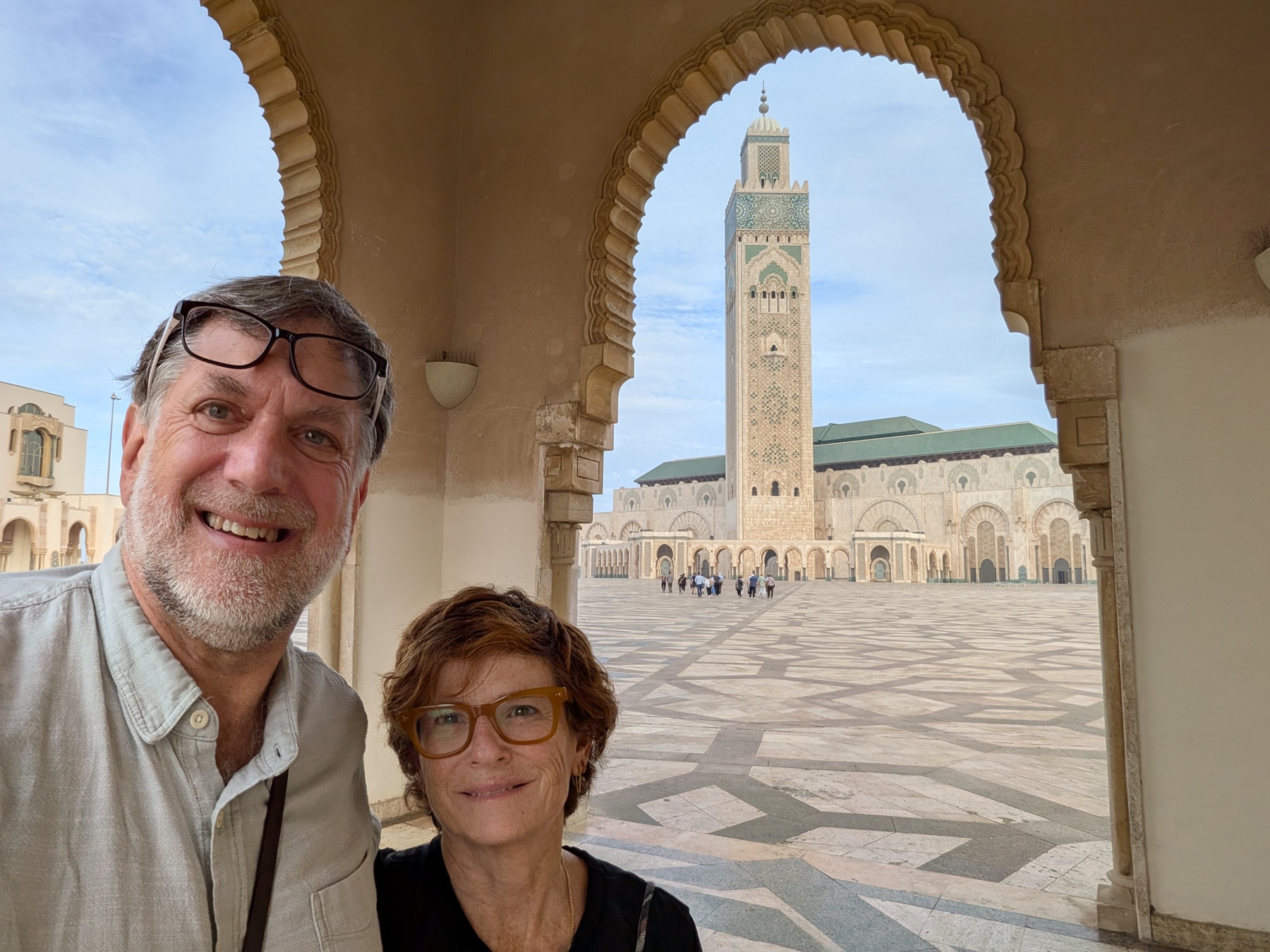
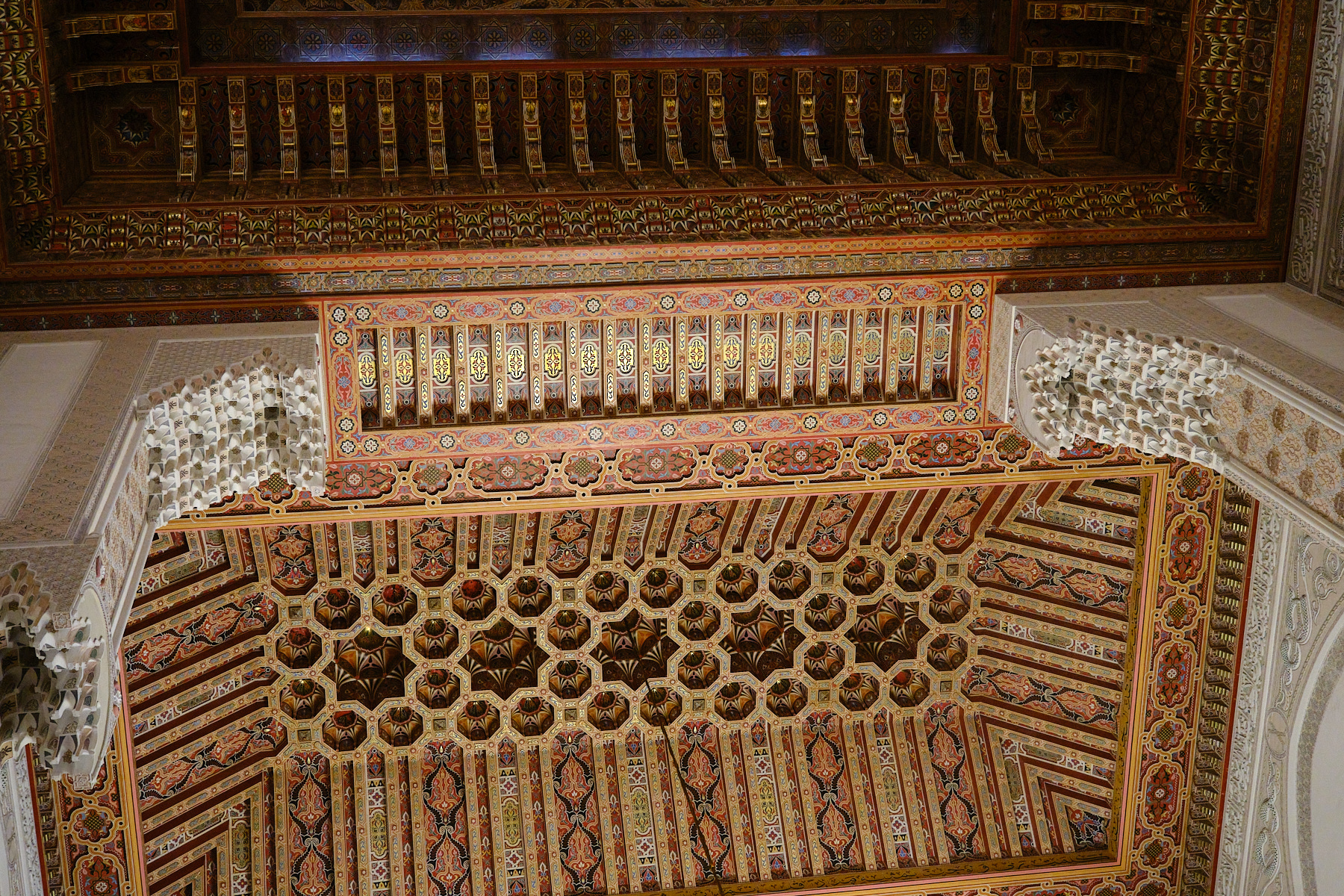
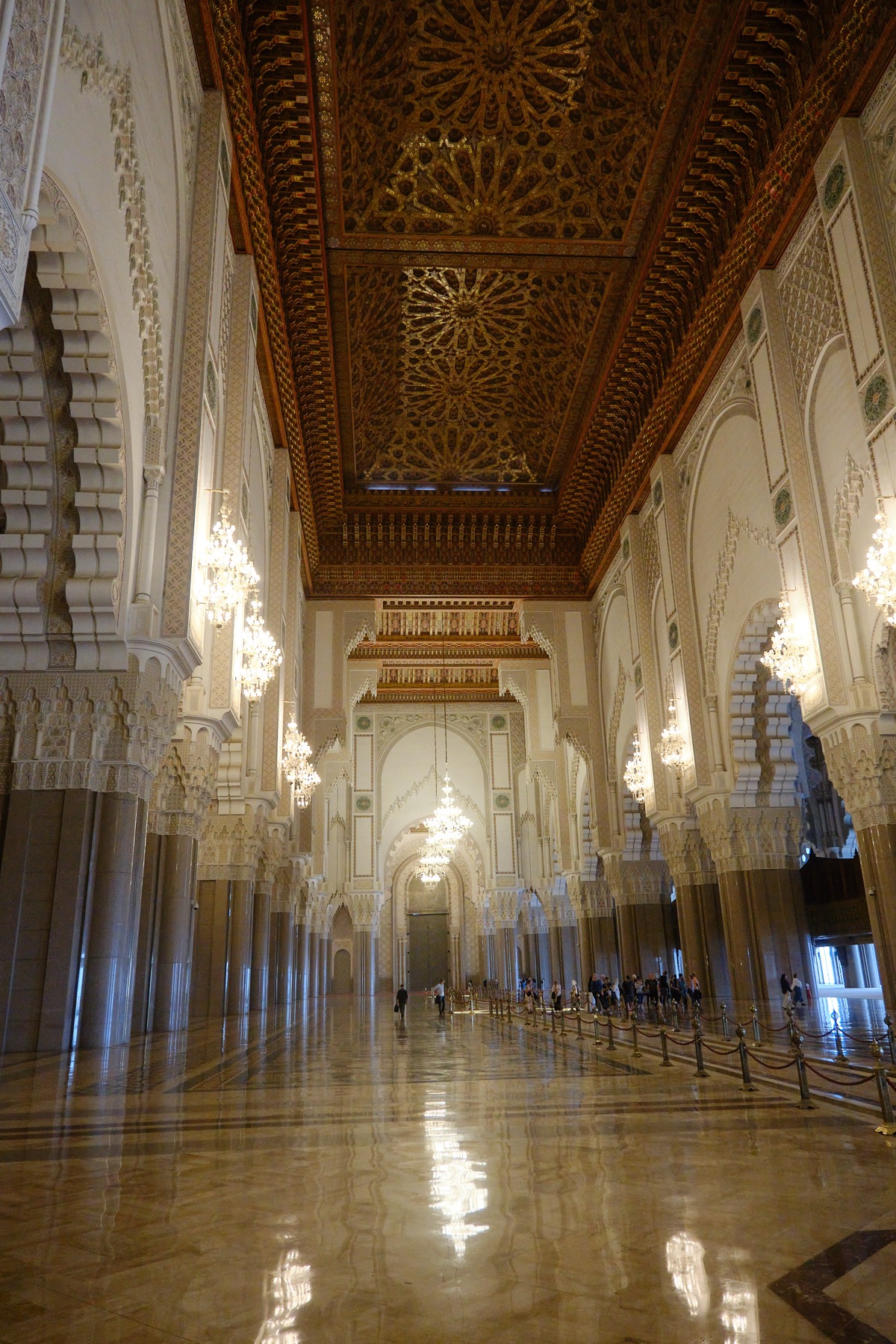
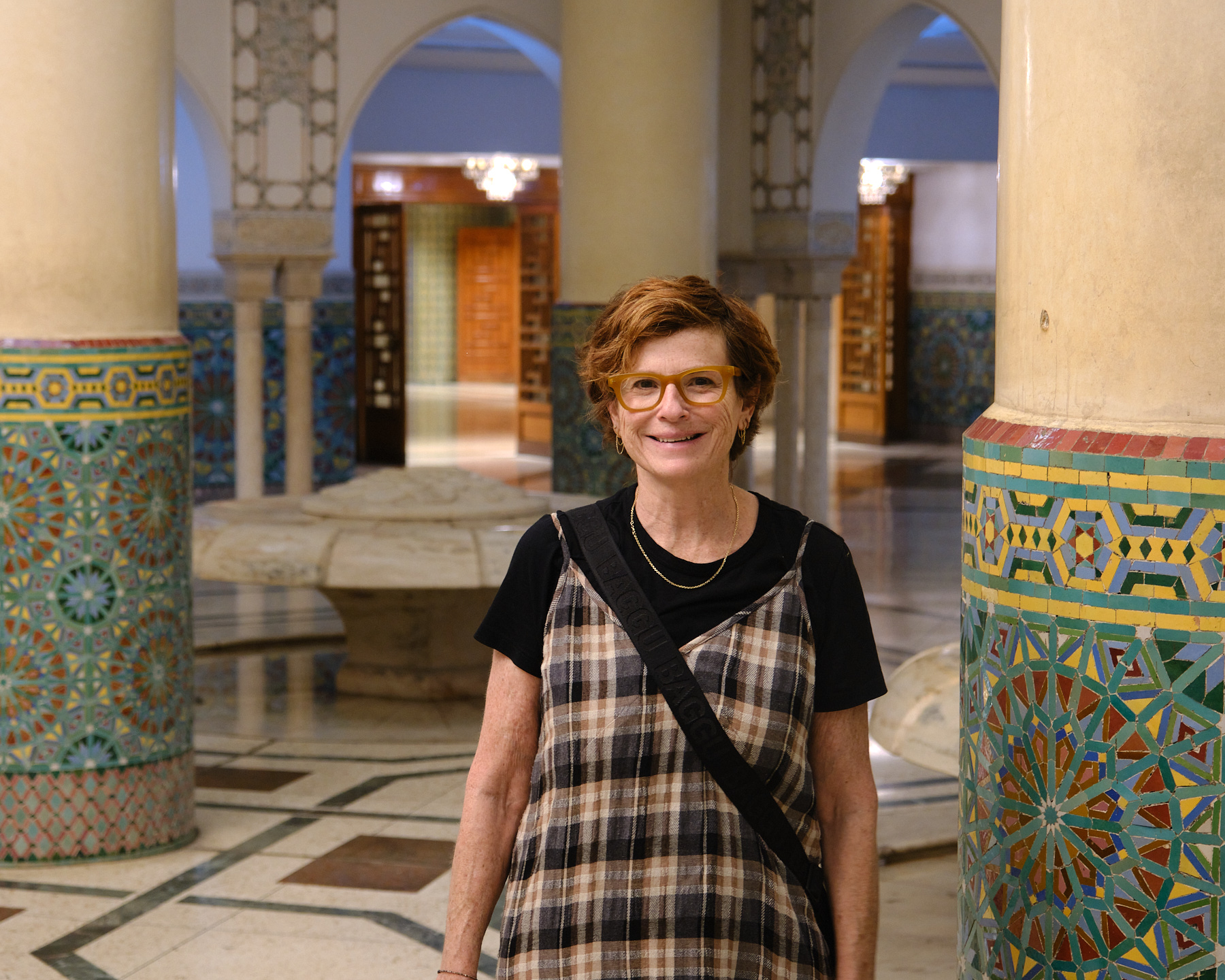
We met our tour group of 8 friendly Aussies and Brits in the evening; together we were a group of 10. The next morning, our first highlight was going to the modern Hassan II Mosque. It’s the only mosque in Morocco that we could enter and its spatious, atmospheric, and beautiful.
2. Fez and Souks
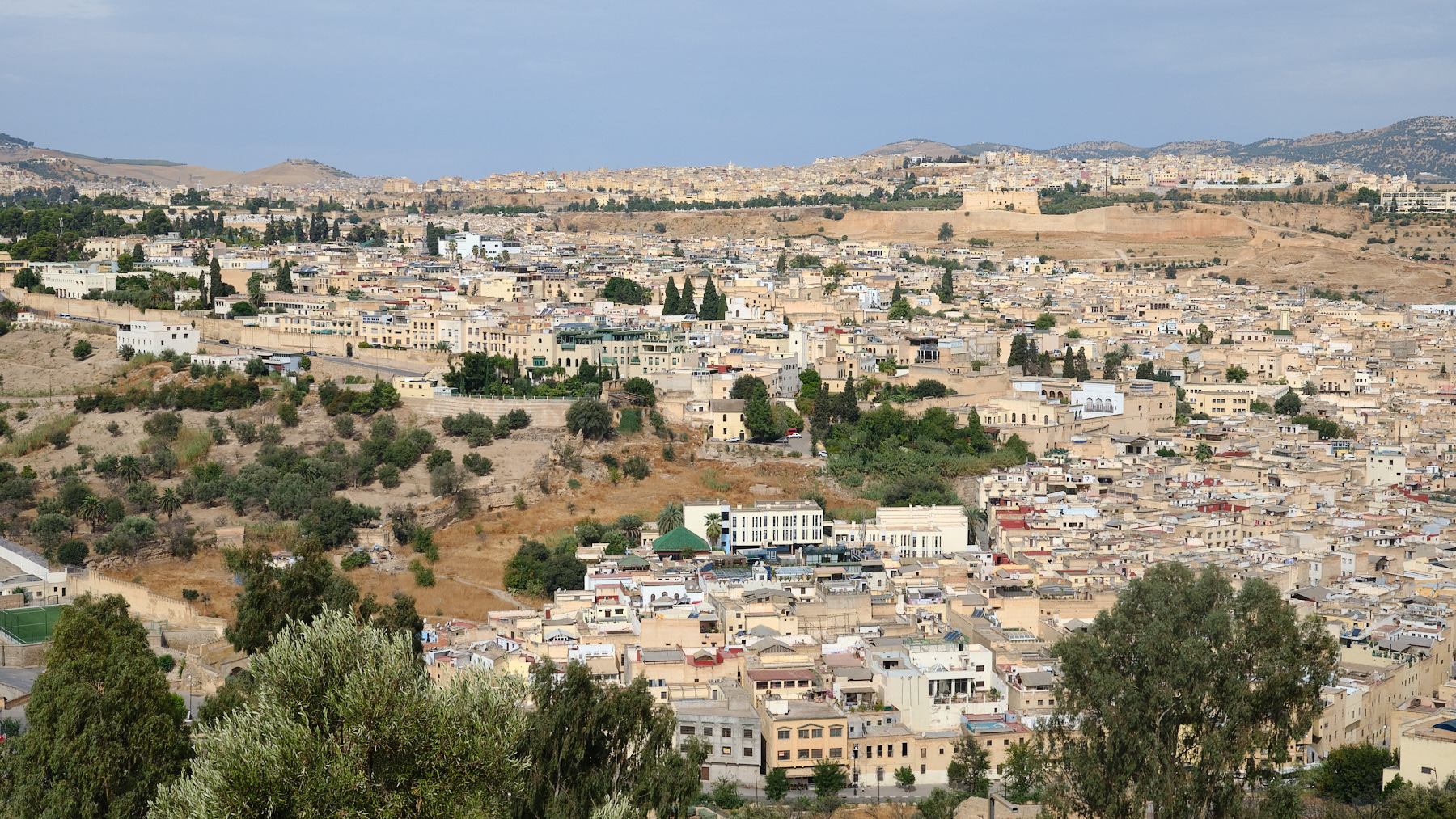
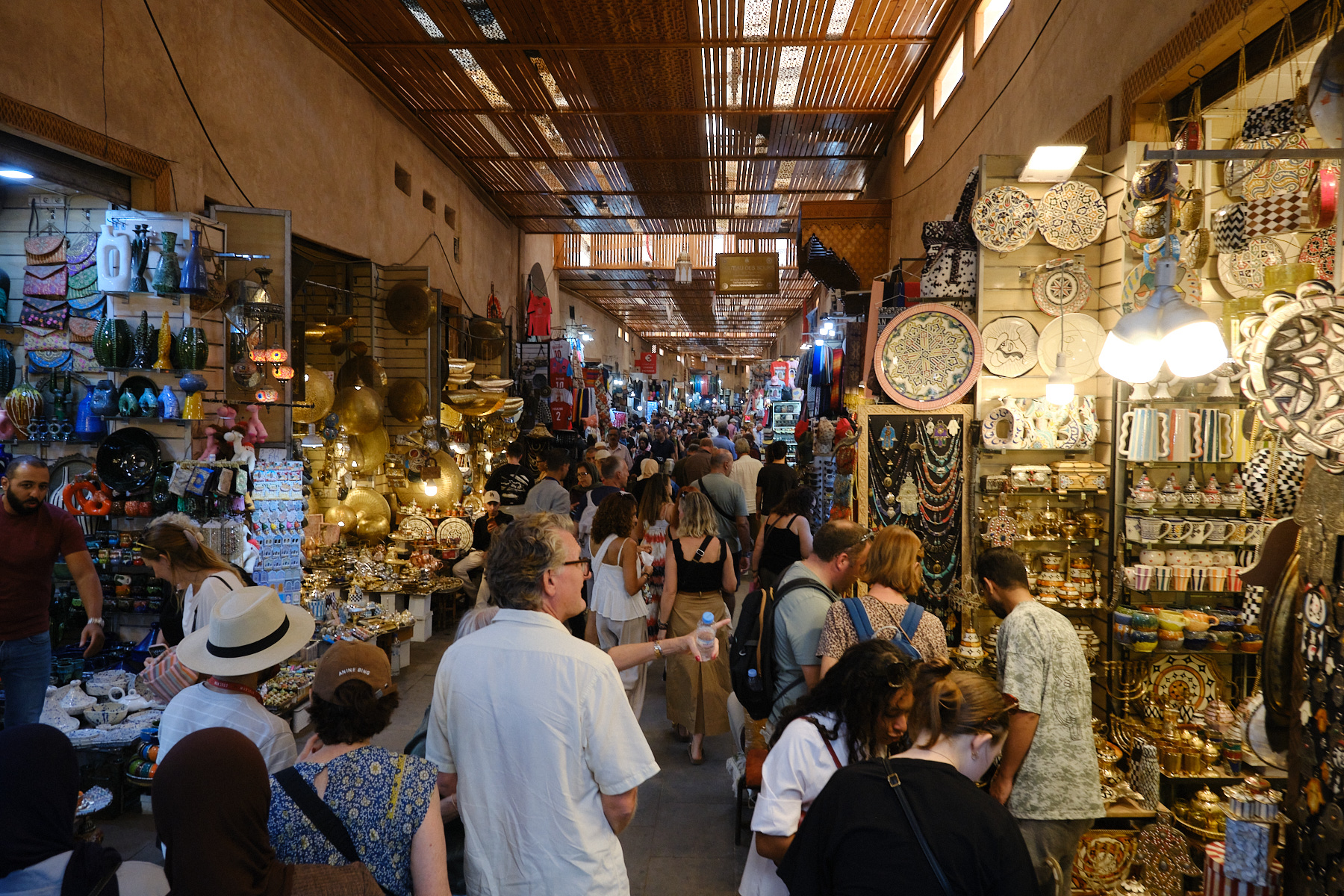
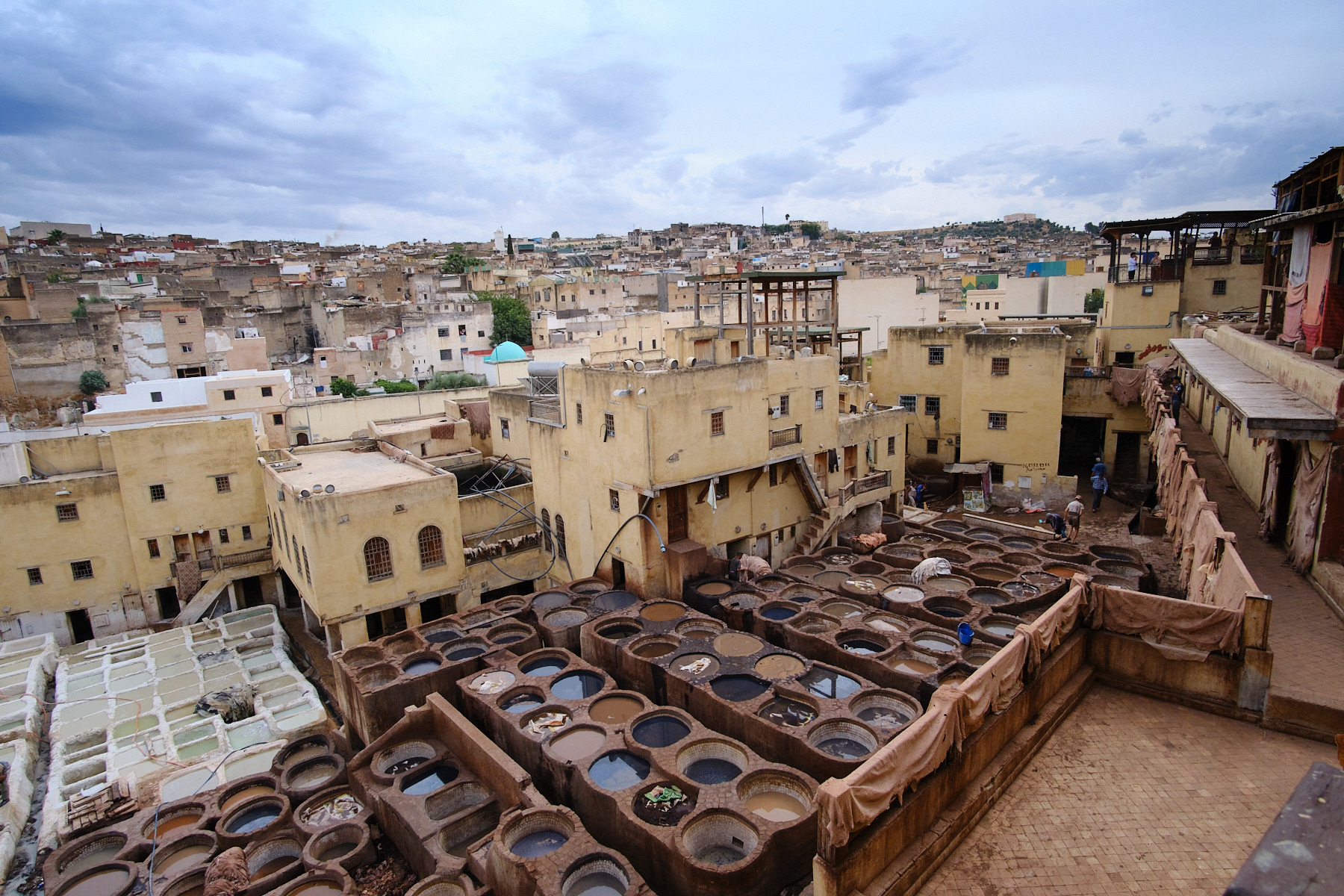
Fez was the most authentic and exotic city we visited, we had a long time to explore its souk.
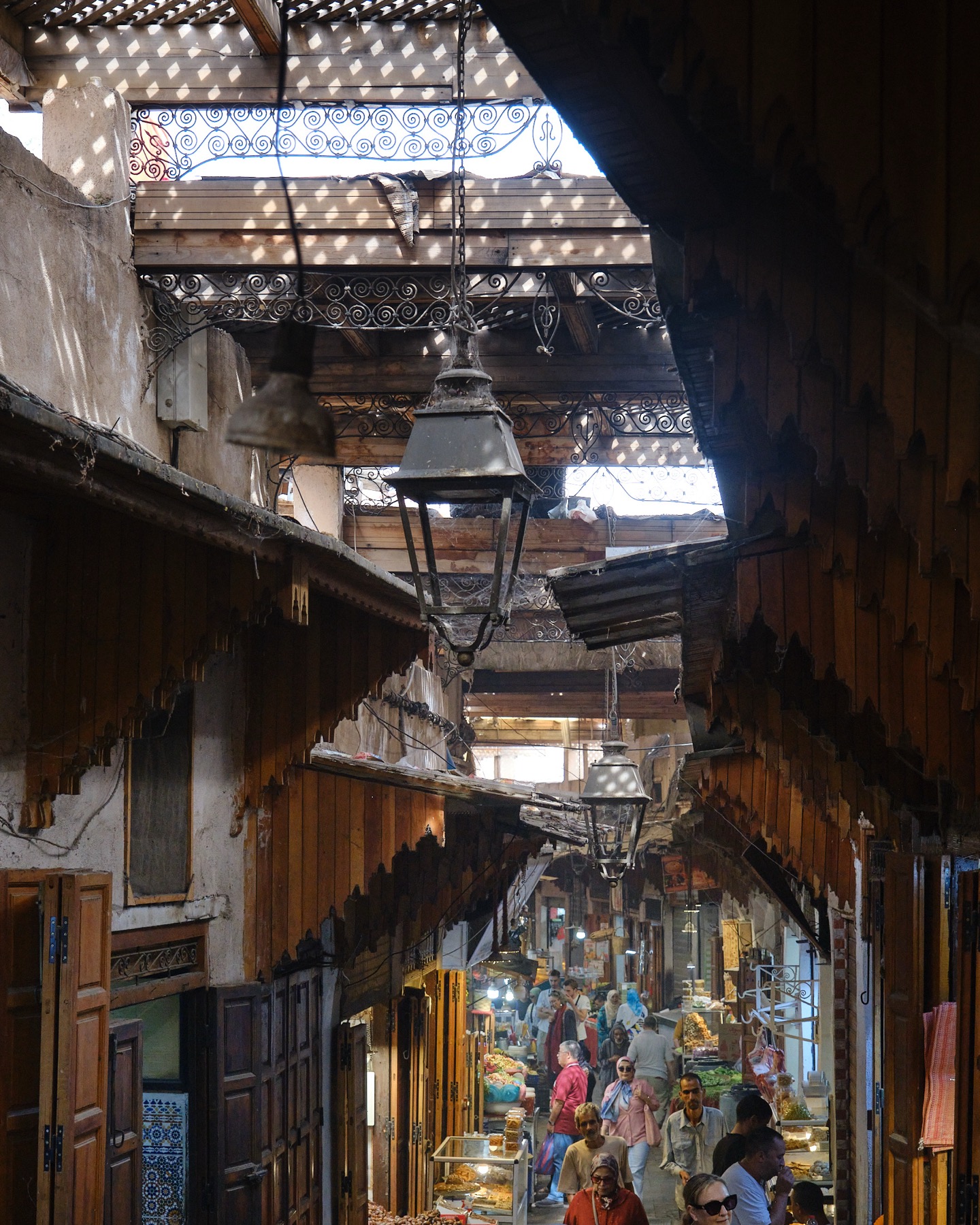
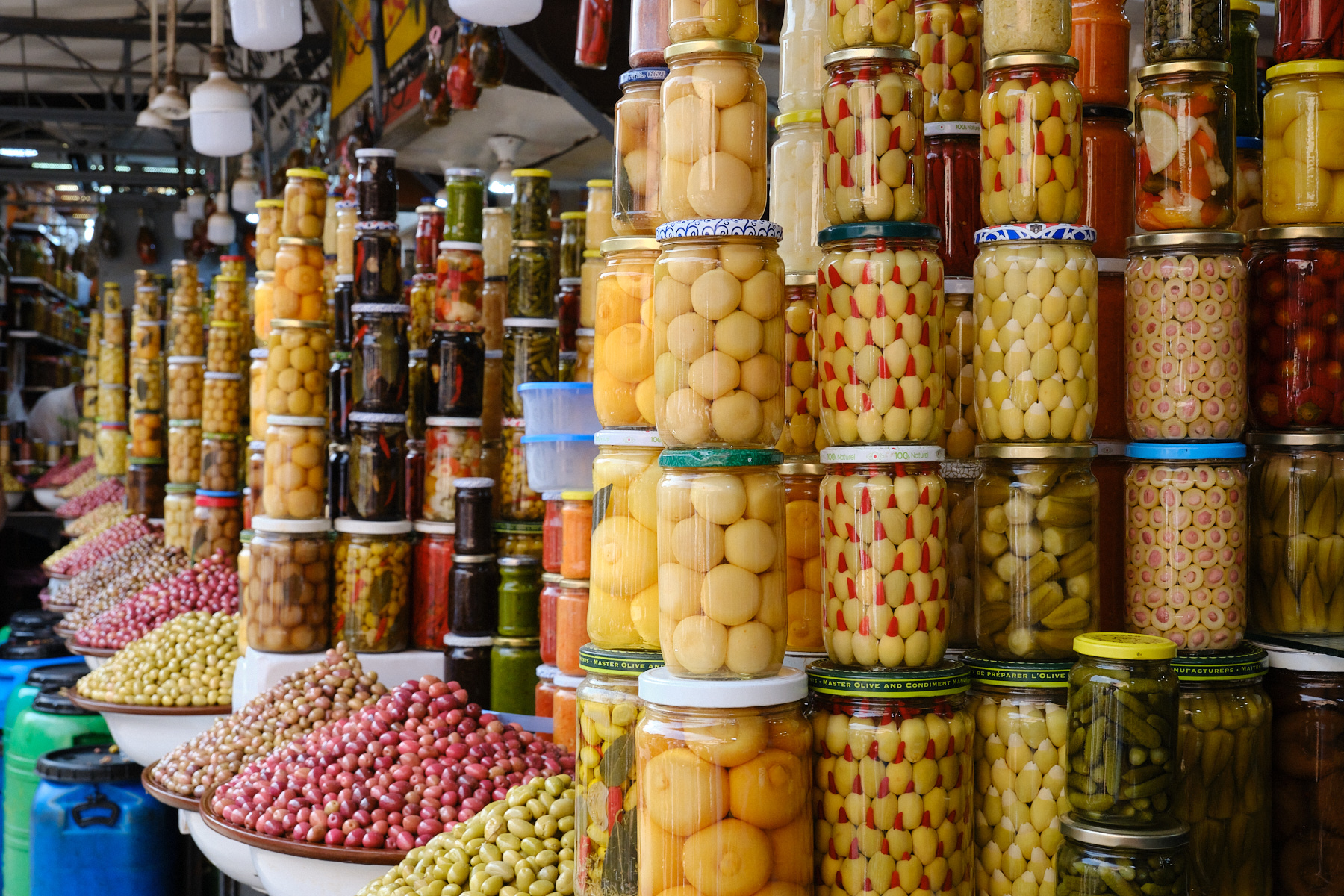
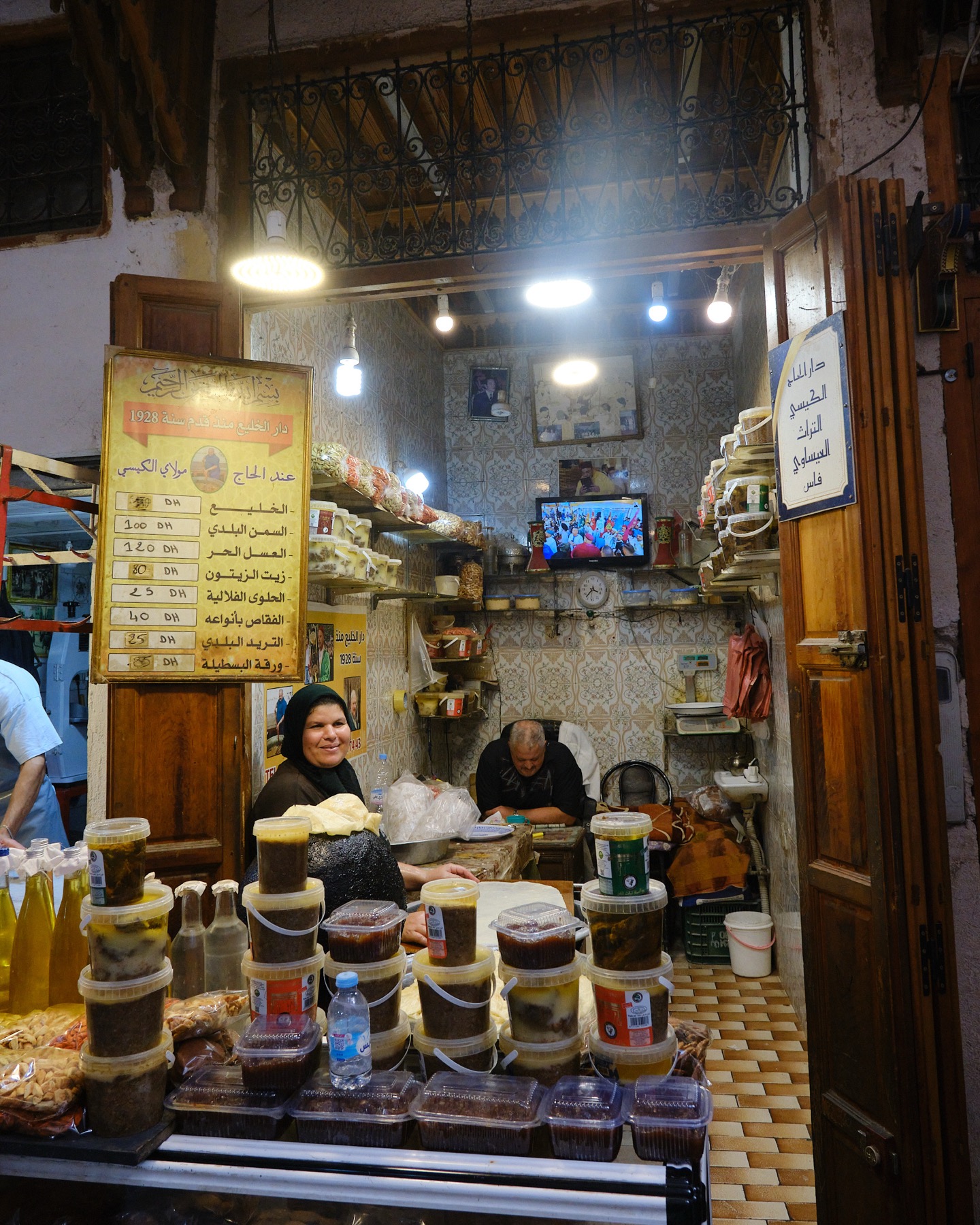
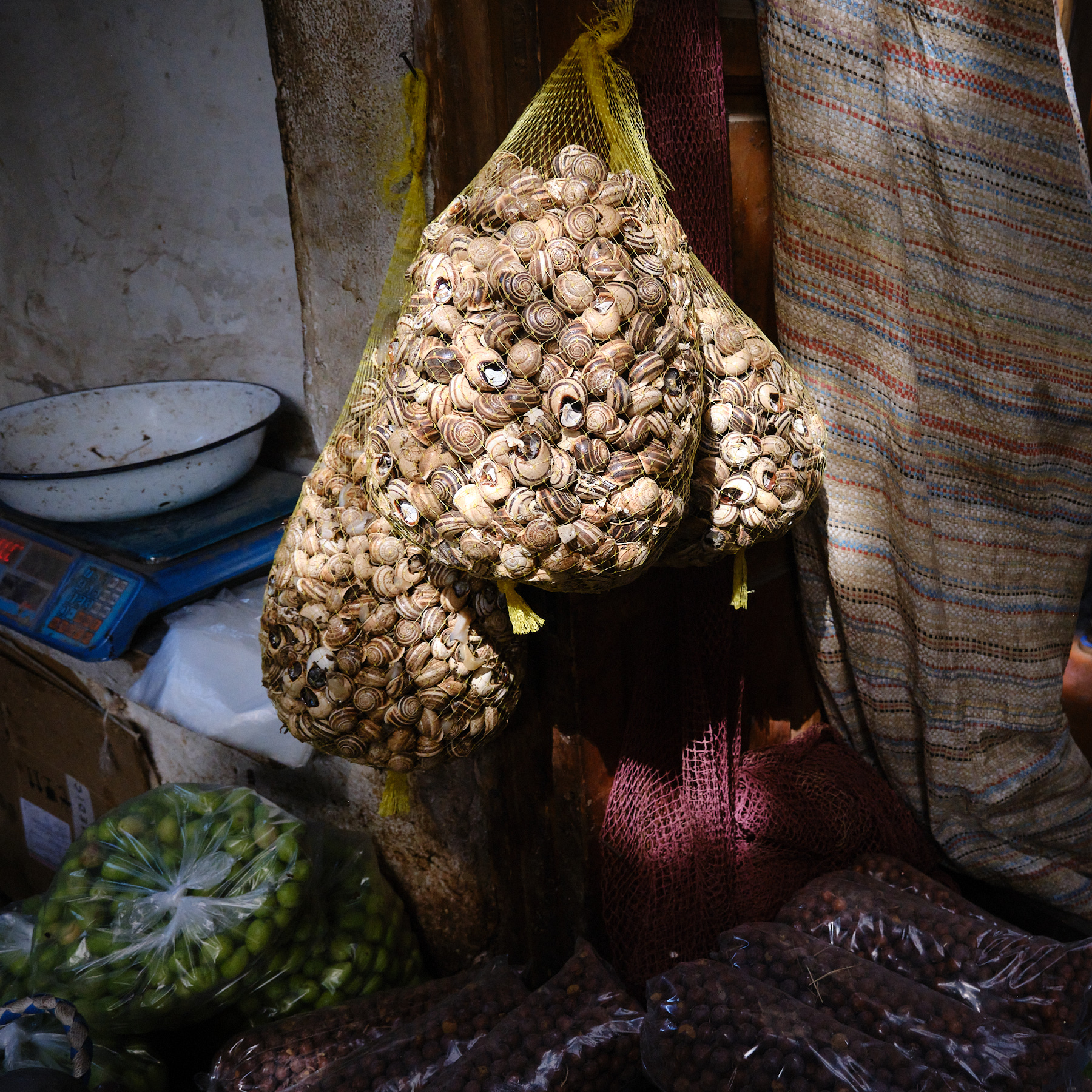
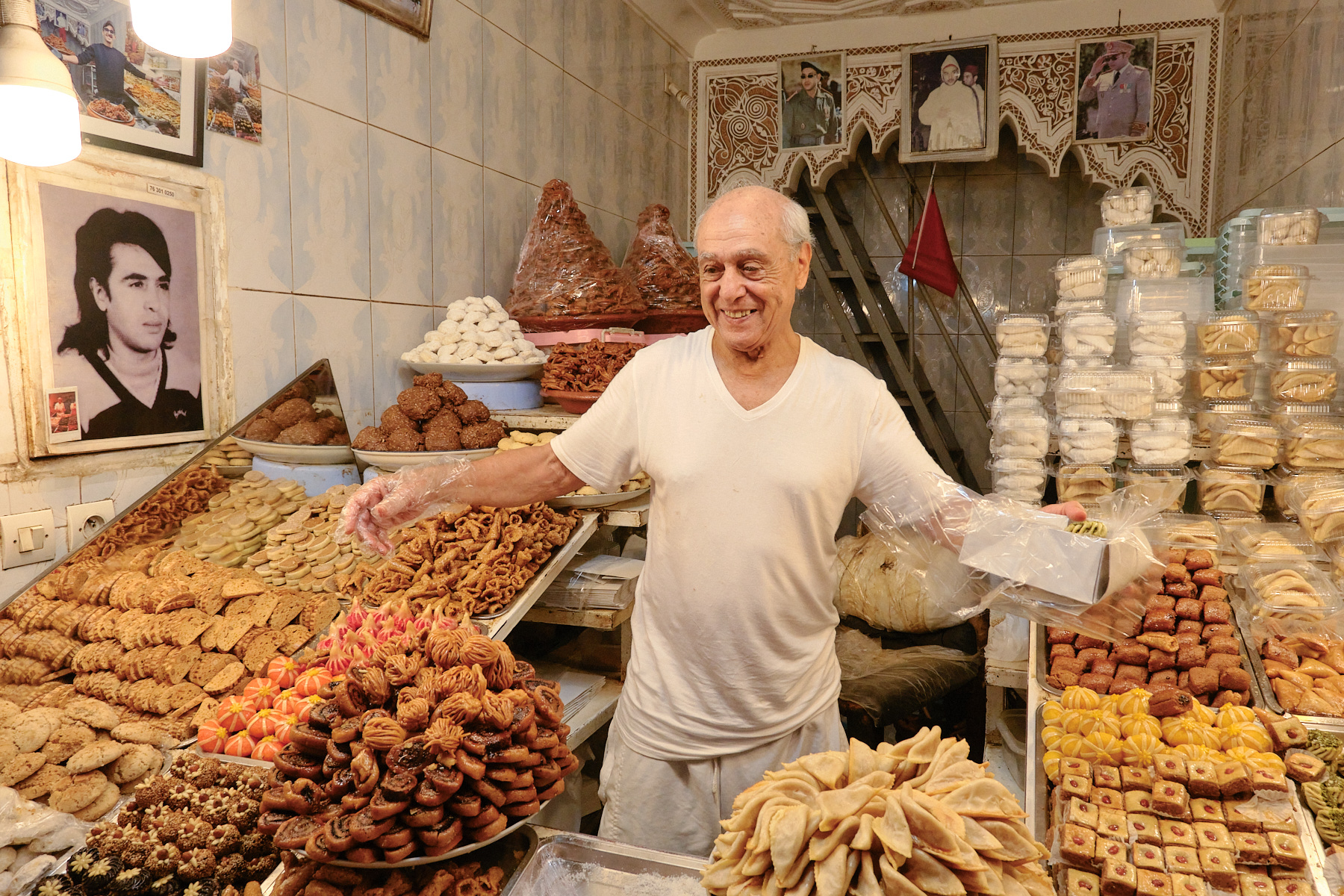
Winding through the endless maze of souks in the medina (old city) is an amazing experience. Our group of 10 made a human train through the narrow alleys, with a local guide up front and our trip guide, Hakim, as the caboose. In Fez, it seemed that real people still regularly lived and shopped there, for example, coming to buy meat and veggies. What can you buy in a souk? Everything! It’s the original department store, with different alleys for different types of goods. The Marrakech medina was touristy, with lots of cheap kitsch souveniers. Here the excitement was not being run over by motorbikes or water carts as they plied the alleyways. And there were plenty of finds as we got lost.
3. Jewish History
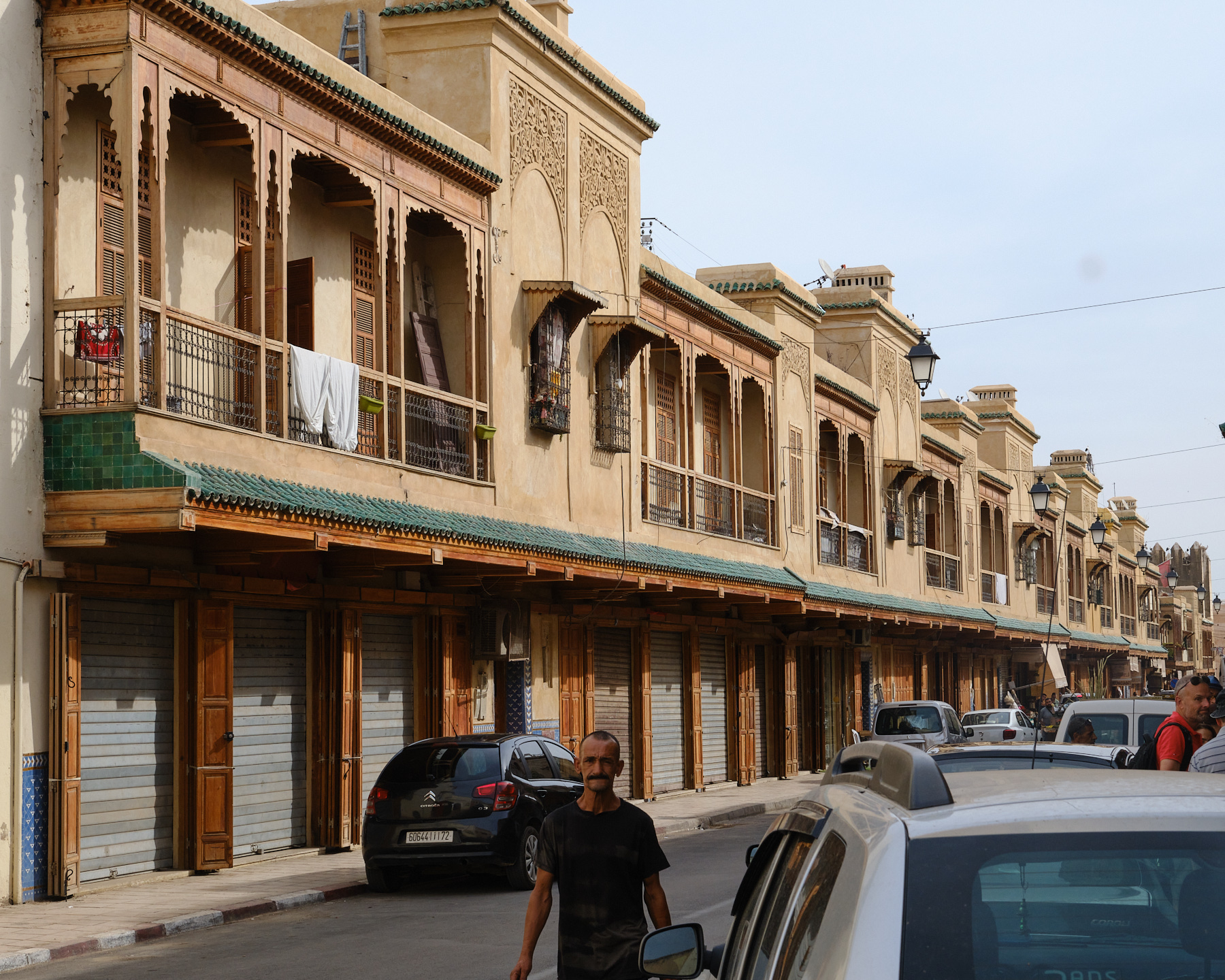
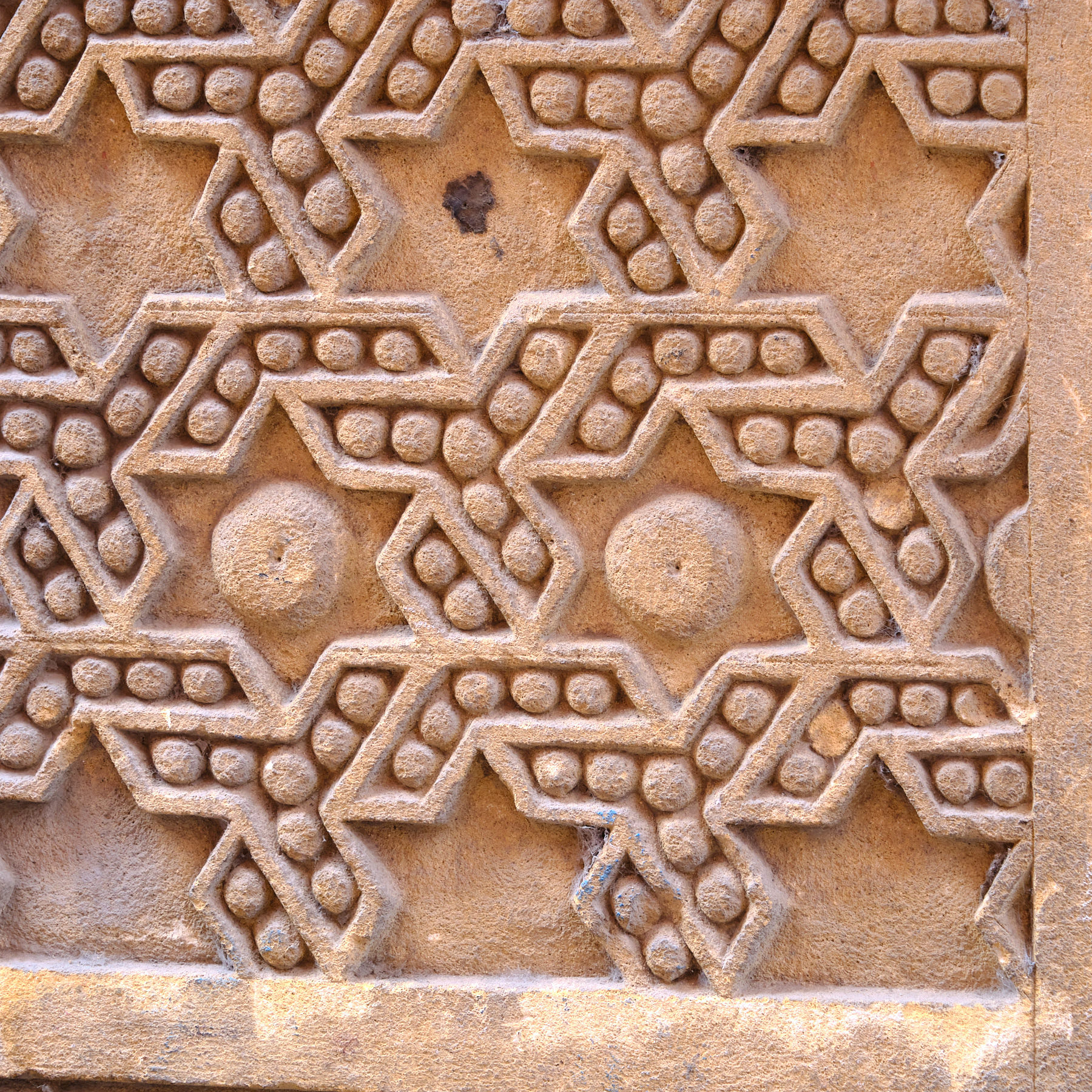
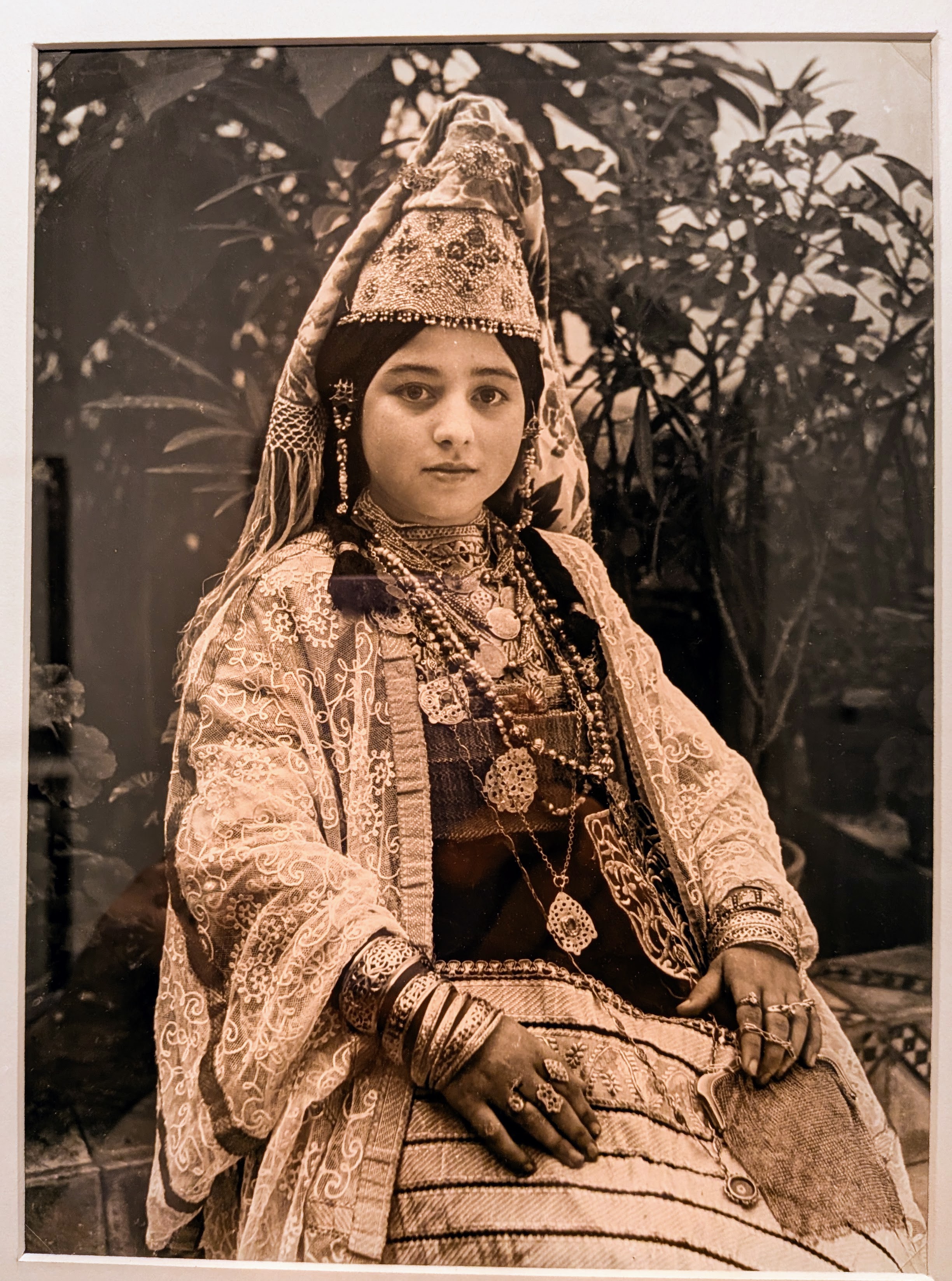
One of the biggest surprises was how much Jewish history we encountered on our tour. Guides always pointed out the Jewish mellah (neighborhood), often featuring outward-facing balconies. An inscribed stone in Roman ruins at Volubilis featured Hebrew and Latin; the Jewish presence goes back 2000 years as has many chapters of peaceful co-existance. Craftspeople often pointed out Jewish design patterns which were not obvious to the uniformed eye, and we loved the House of Photography museum which happened to be exhibiting old black and white portraits of Jewish residents of Morocco. After Morocco gained independence from France, most Jews, emigrated to Israel so there are only a few operating synagogues. Alas, we were unable to visit the largest Jewish museum in the Arab world (in Casablanca) because we were there on Saturday.
4. Music and Food
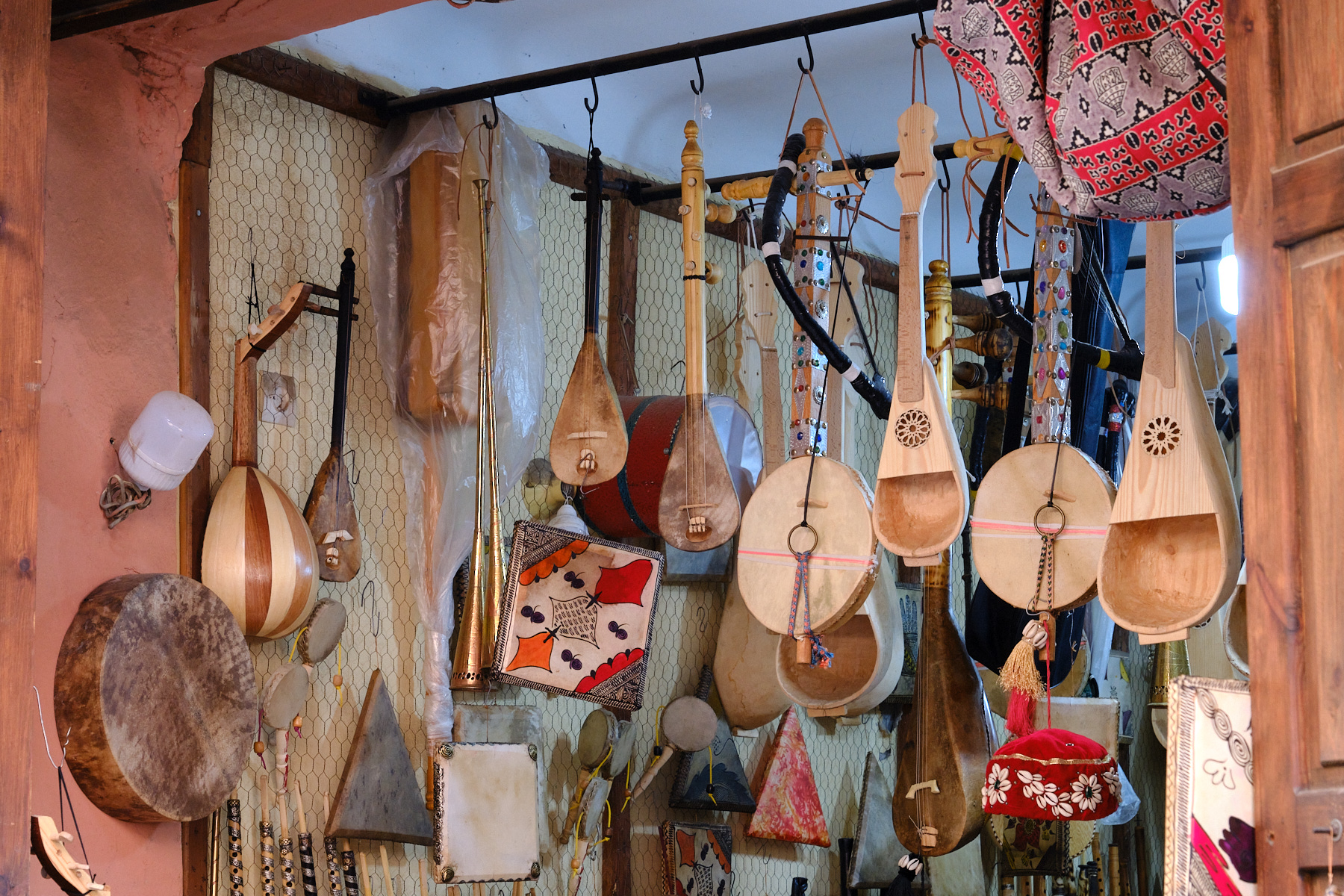
Another surpise was how much wonderful music we encountered. I particular liked the Gnawa style which can sound like the American blues. It features simple, trance-like motifs on a guitar-like instrument, accompanied by singing, chanting, and drumming. The music is upbeat and has a forward momentum, at times feeling like the perfect road music for a camel trek across the desert.
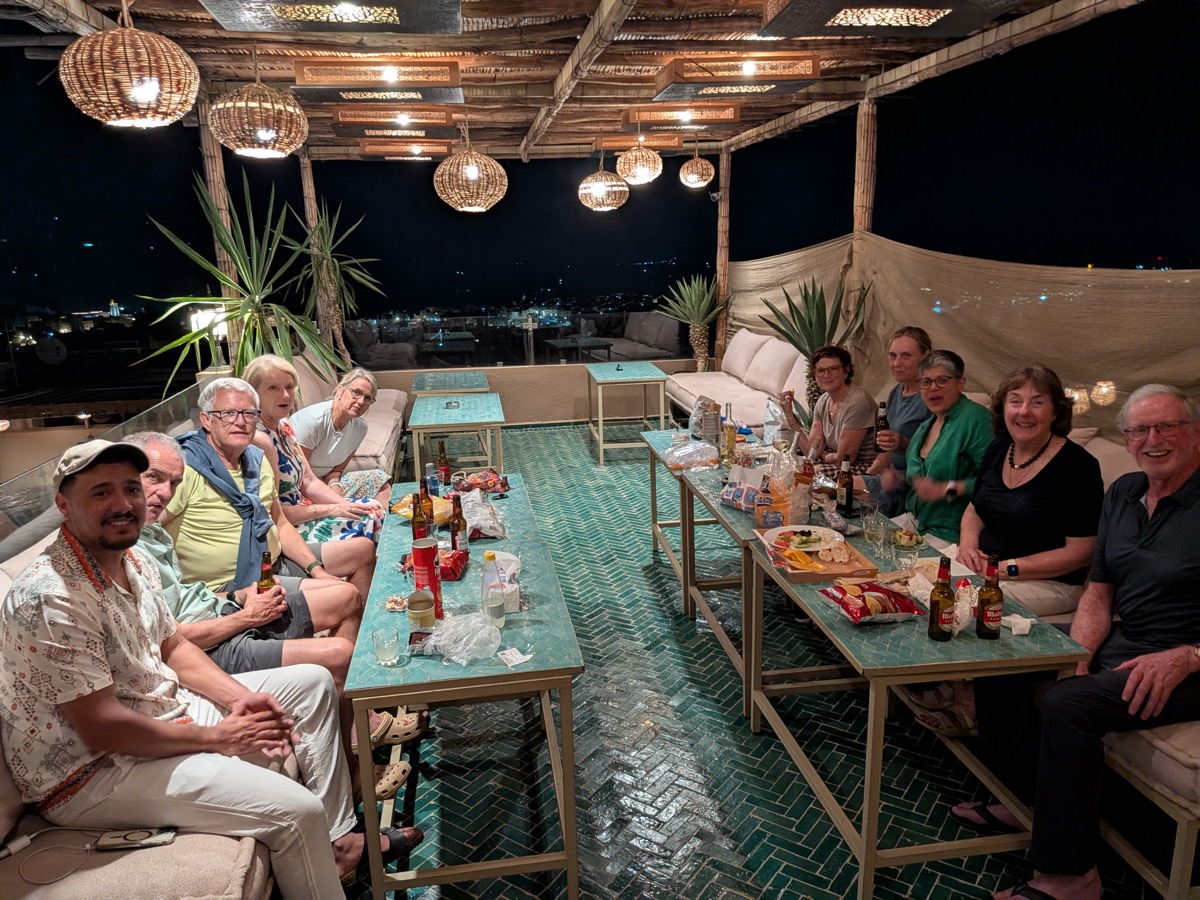
One day our guide announced that for dinner we were all going to a supermarket followed by an ad hoc picnic at our hotel. This seemed a little odd, but shopping at the huge Carrefour supermarket was an experience (and we found gluten-free items). What we didn’t realize was that our hotel had a fantastic rooftop. Once we unloaded our bundles, we had the best time drinking wine, sharing food, and watching the sunset, among the cool evening breezes.
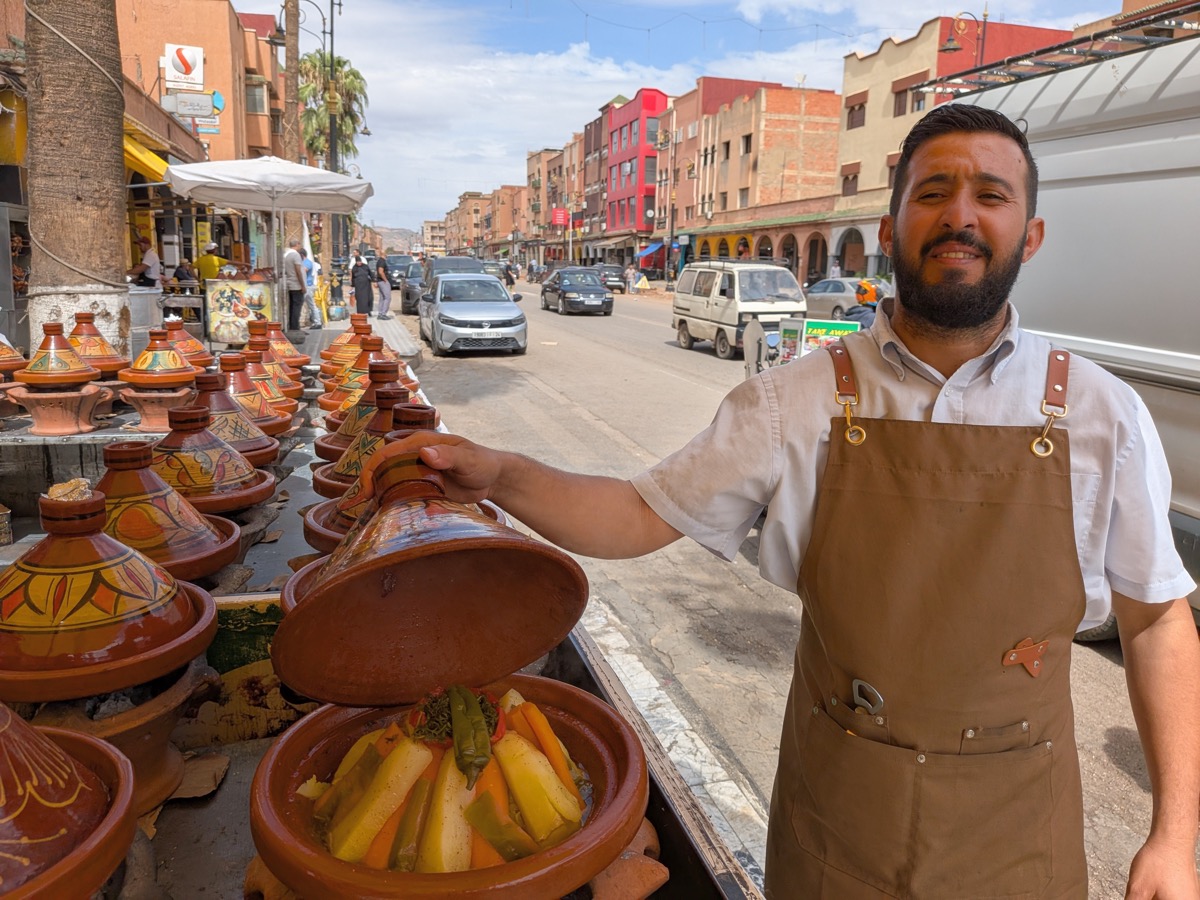
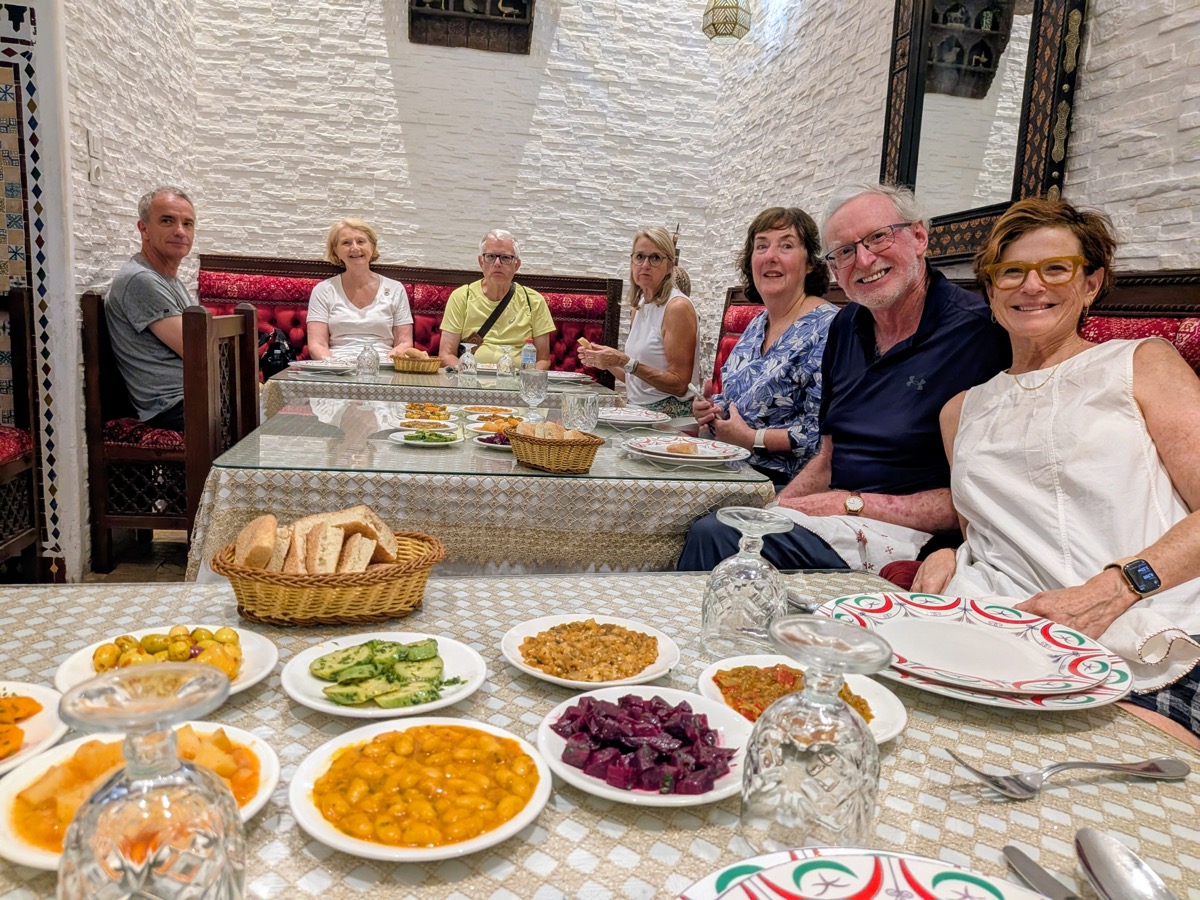
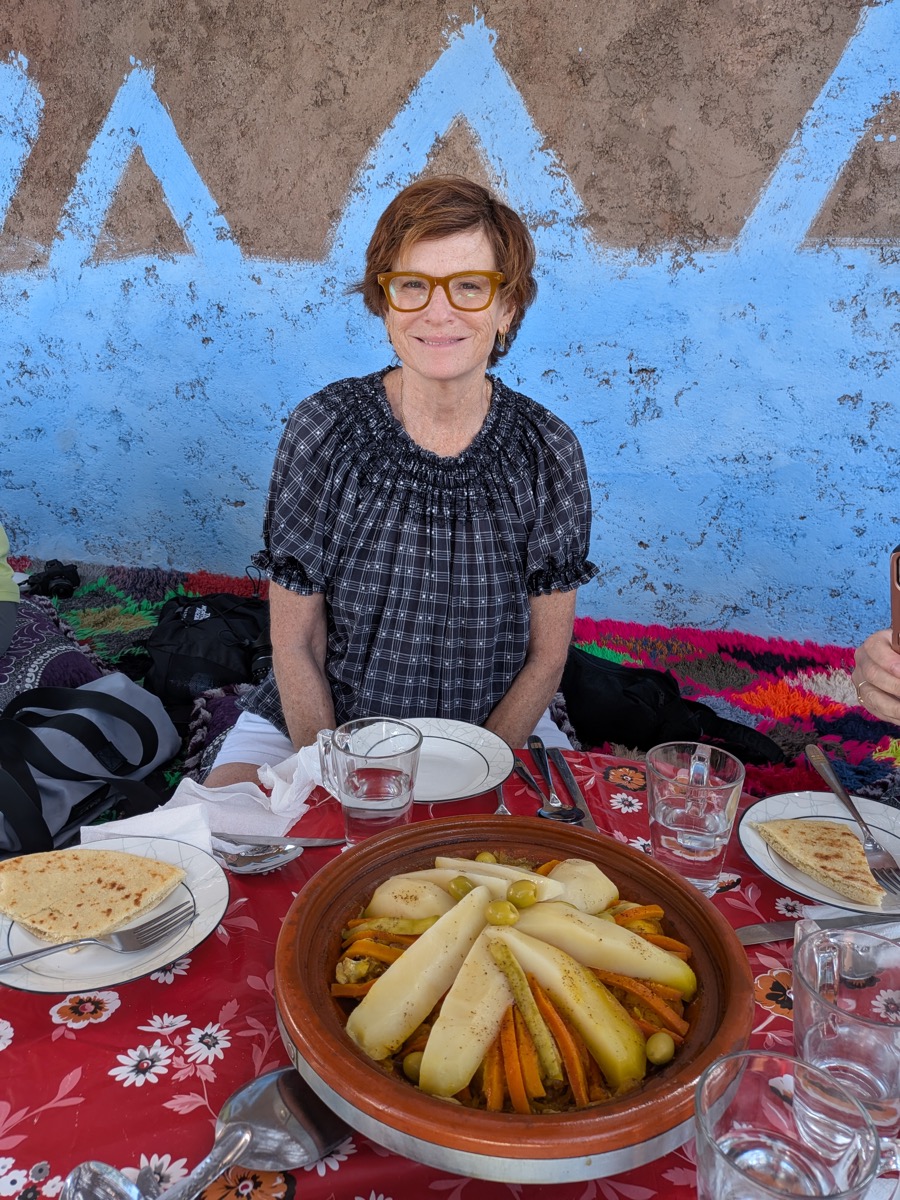
In general, we had lots of tagine; my favorite was chicken with preserved lemons and olives. And lots of small salads with bread. There’s variety within these two basic things, but a lot of the food is either tagine or salad. Not bad! And there were days when we wished for a nice pasta (and found it!)
5. Crafts / Leather
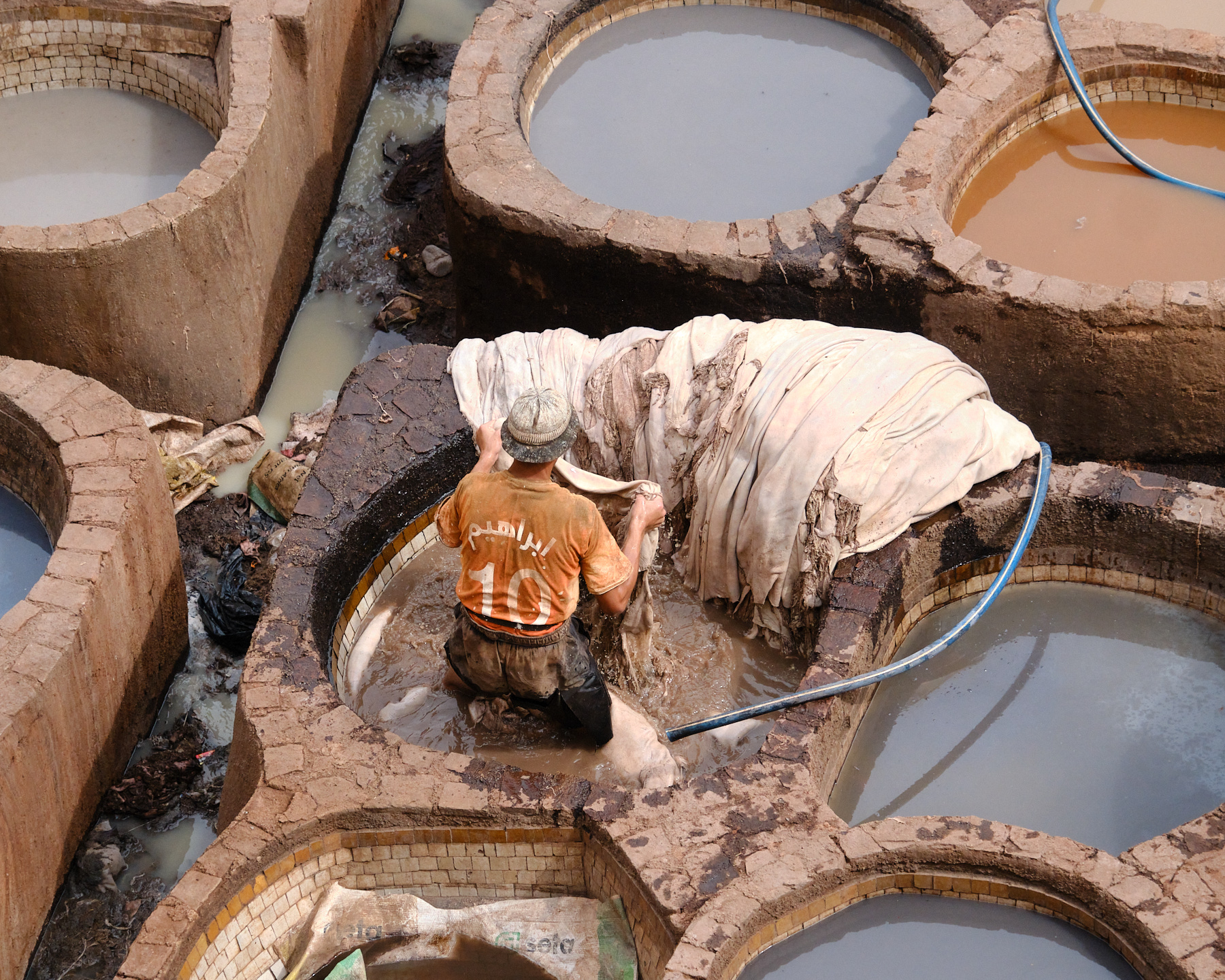
In Fez, a highlight was watching men tan leather in traditional pits—awful, smelly work. They gave us mint leaves to stuff in our noses so we could enjoy the scene. The final products were worth buying!
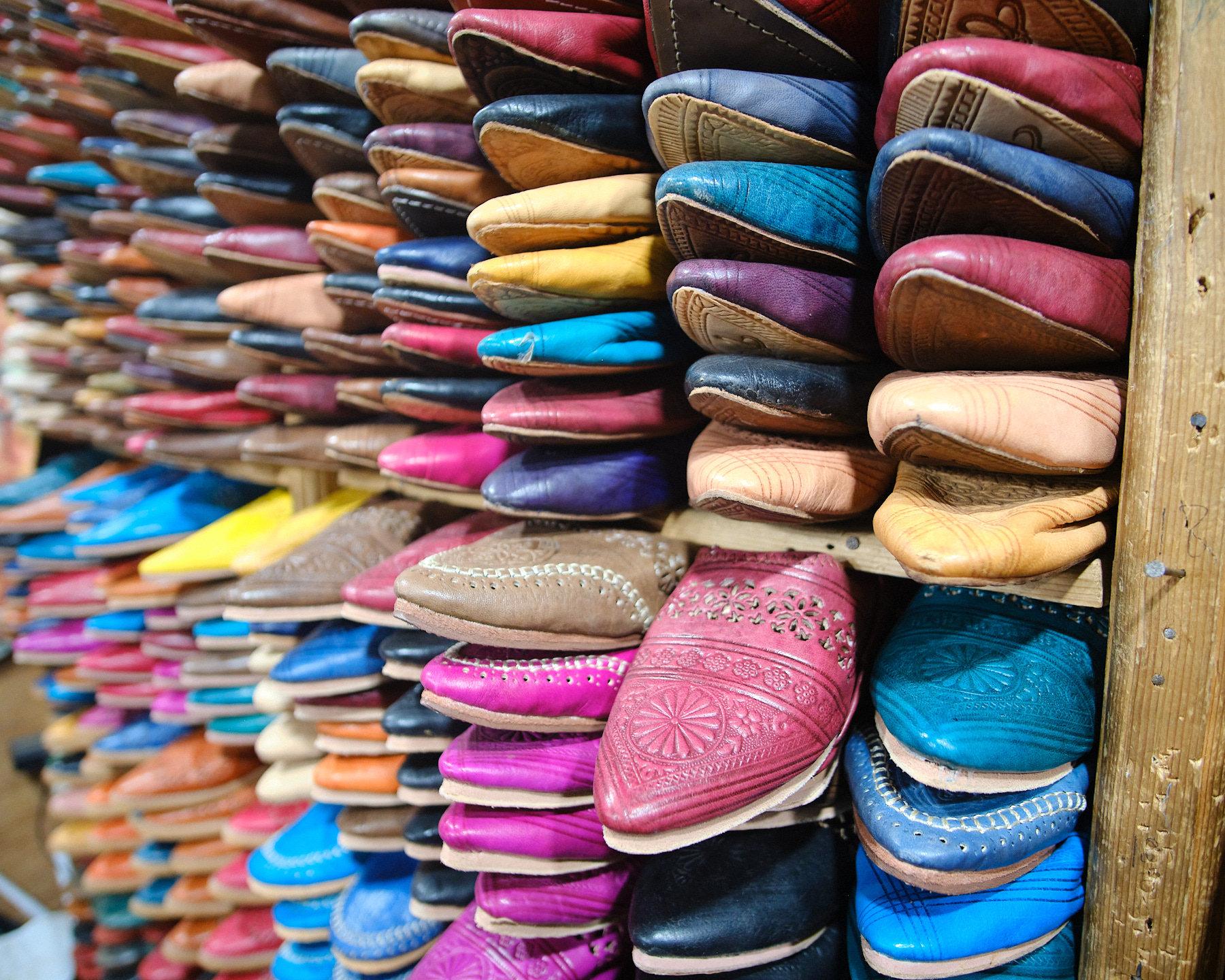
There are so many high quality handmade items to see and buy in Morocco, although finding a shop with non-junk can take a little work. Scaves and cloth woven on a loom; metalwork and jewelry; leather and shoes; pottery and mosaics; woodwork; and more!
6. Bin El Ouidane
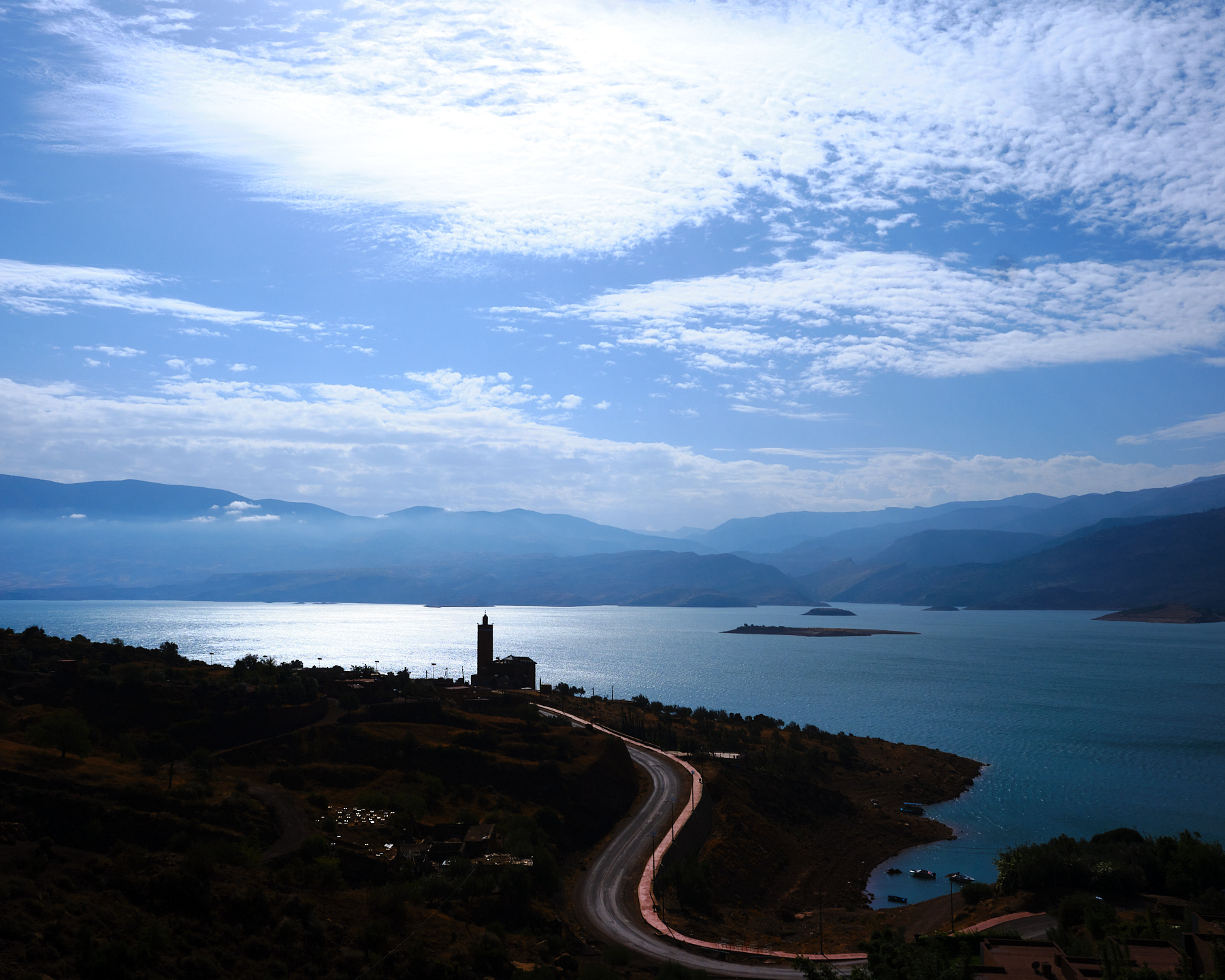
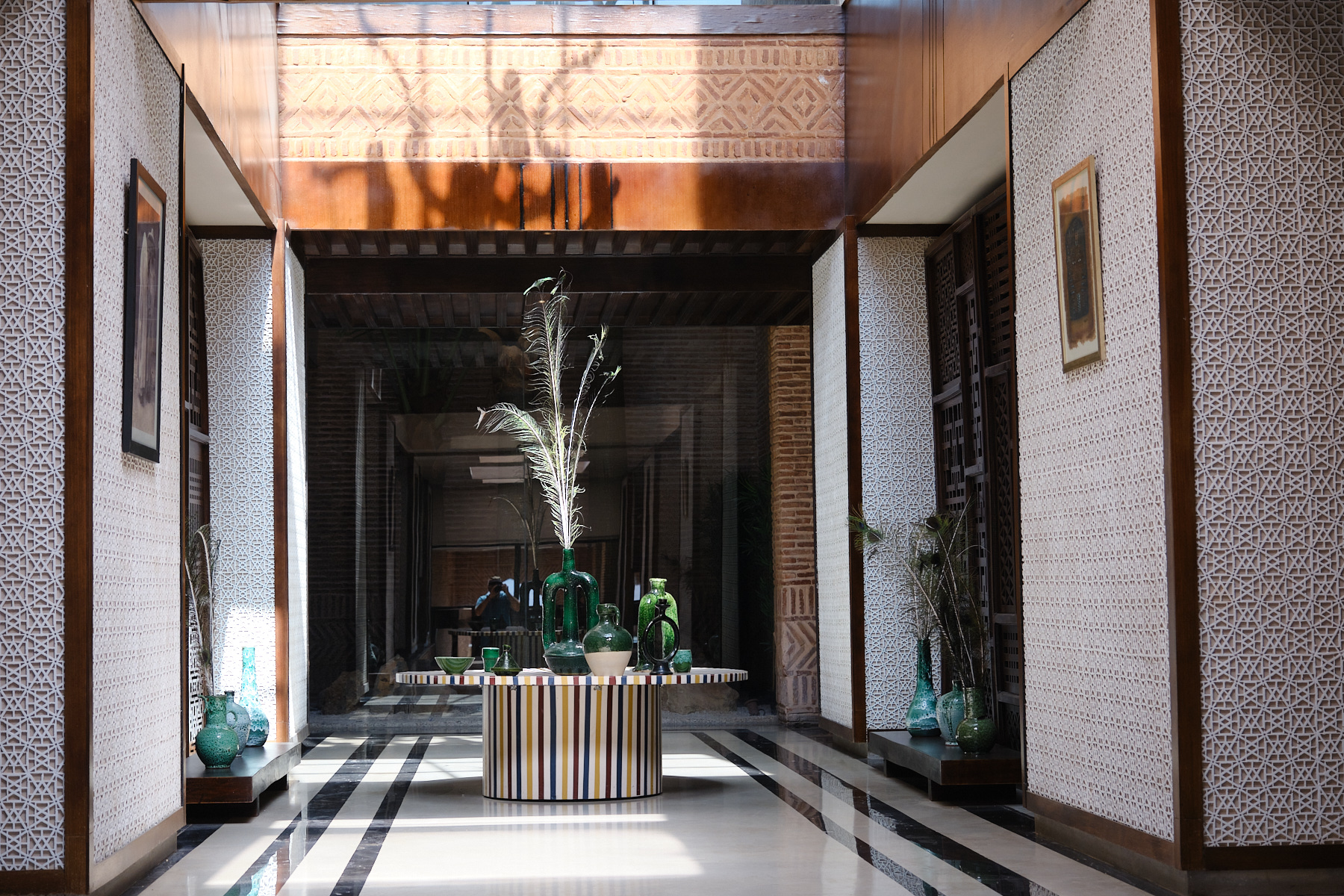
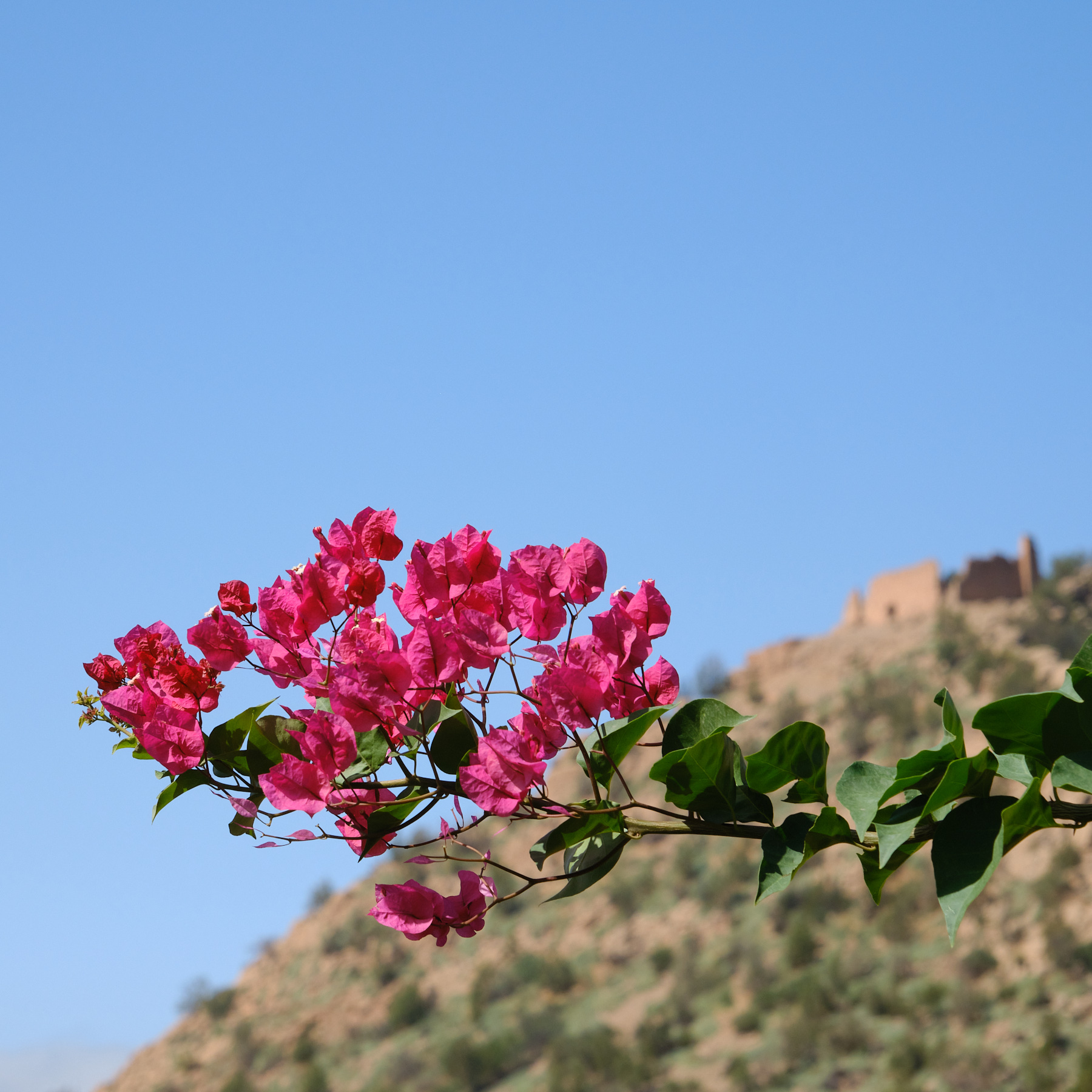
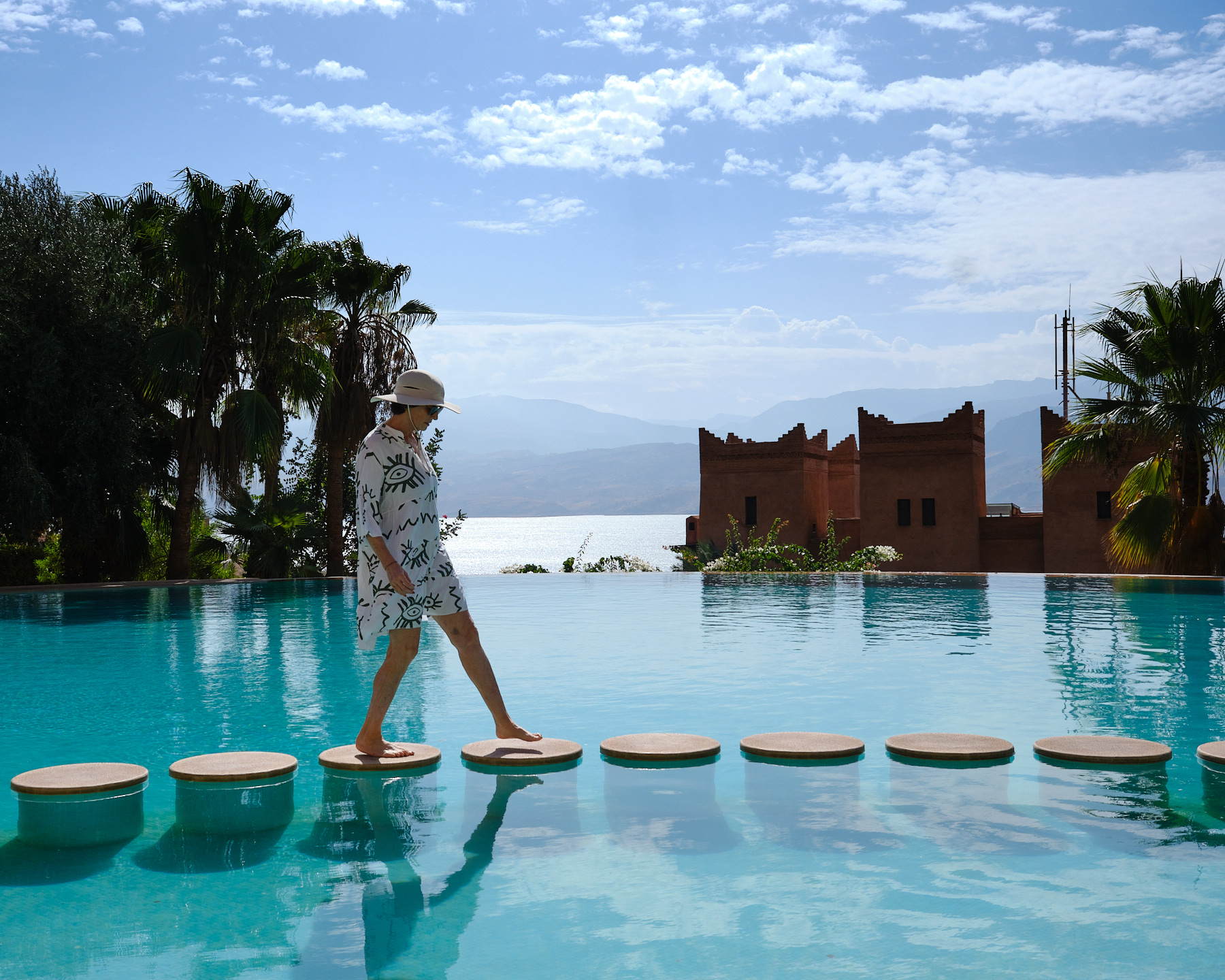
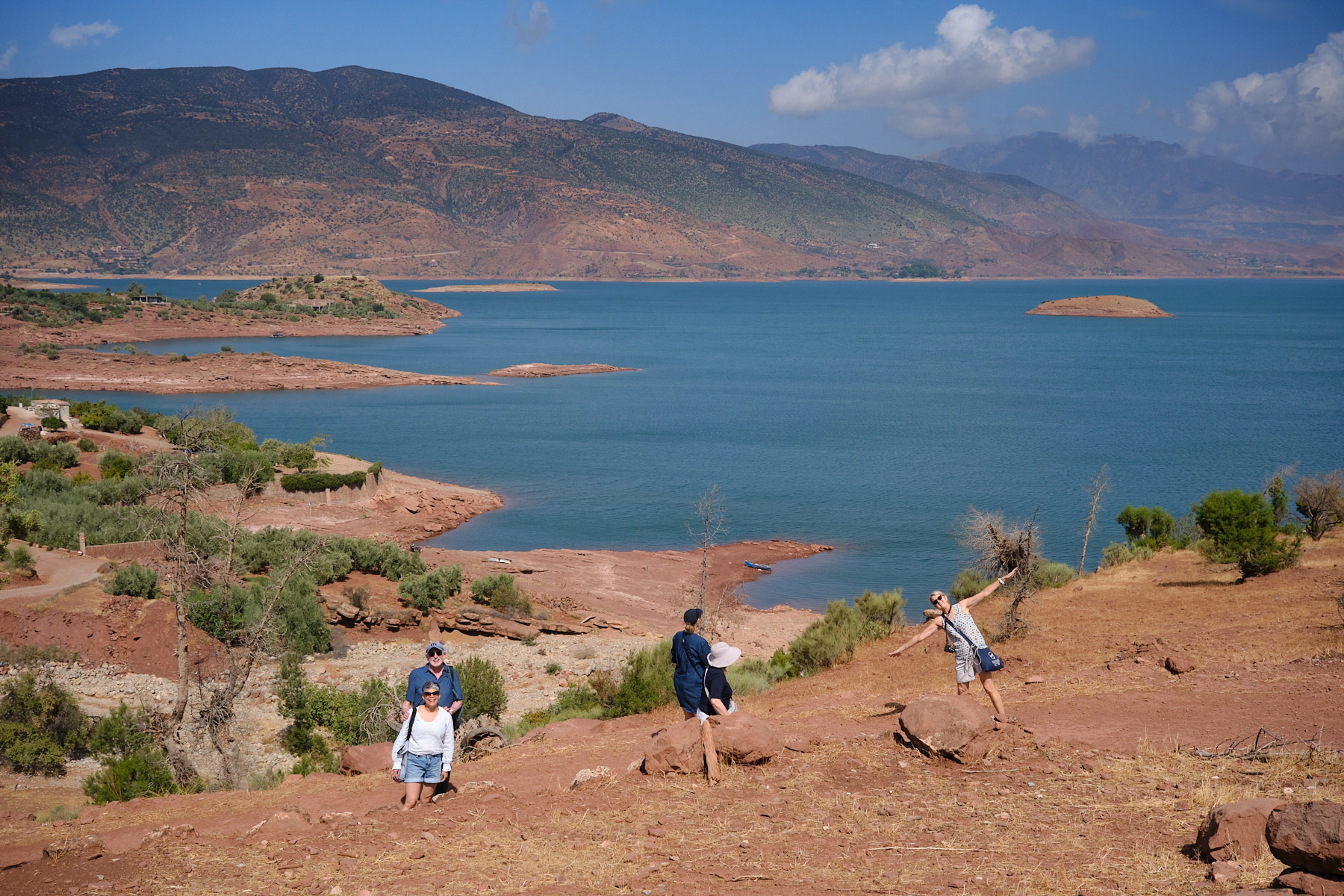
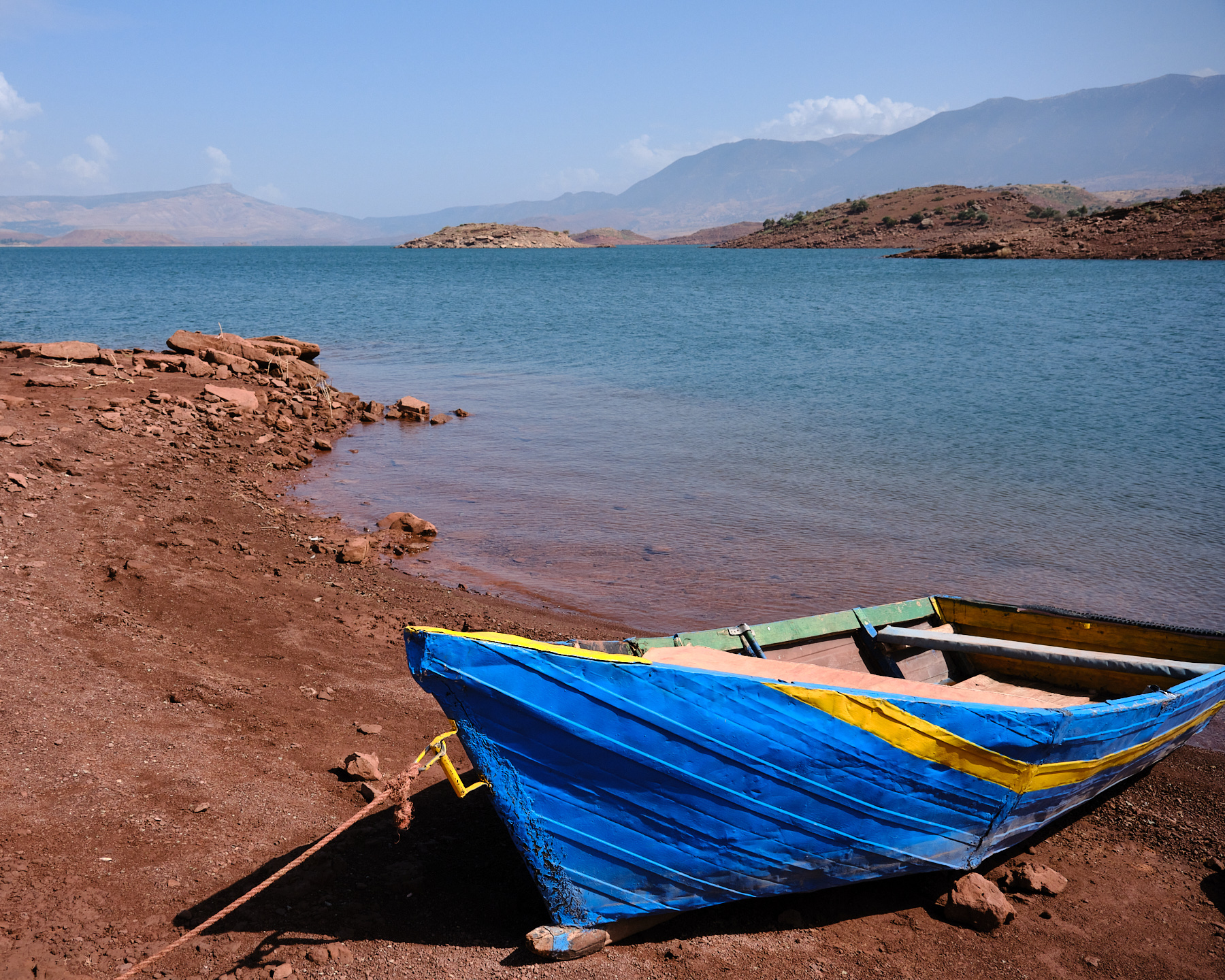
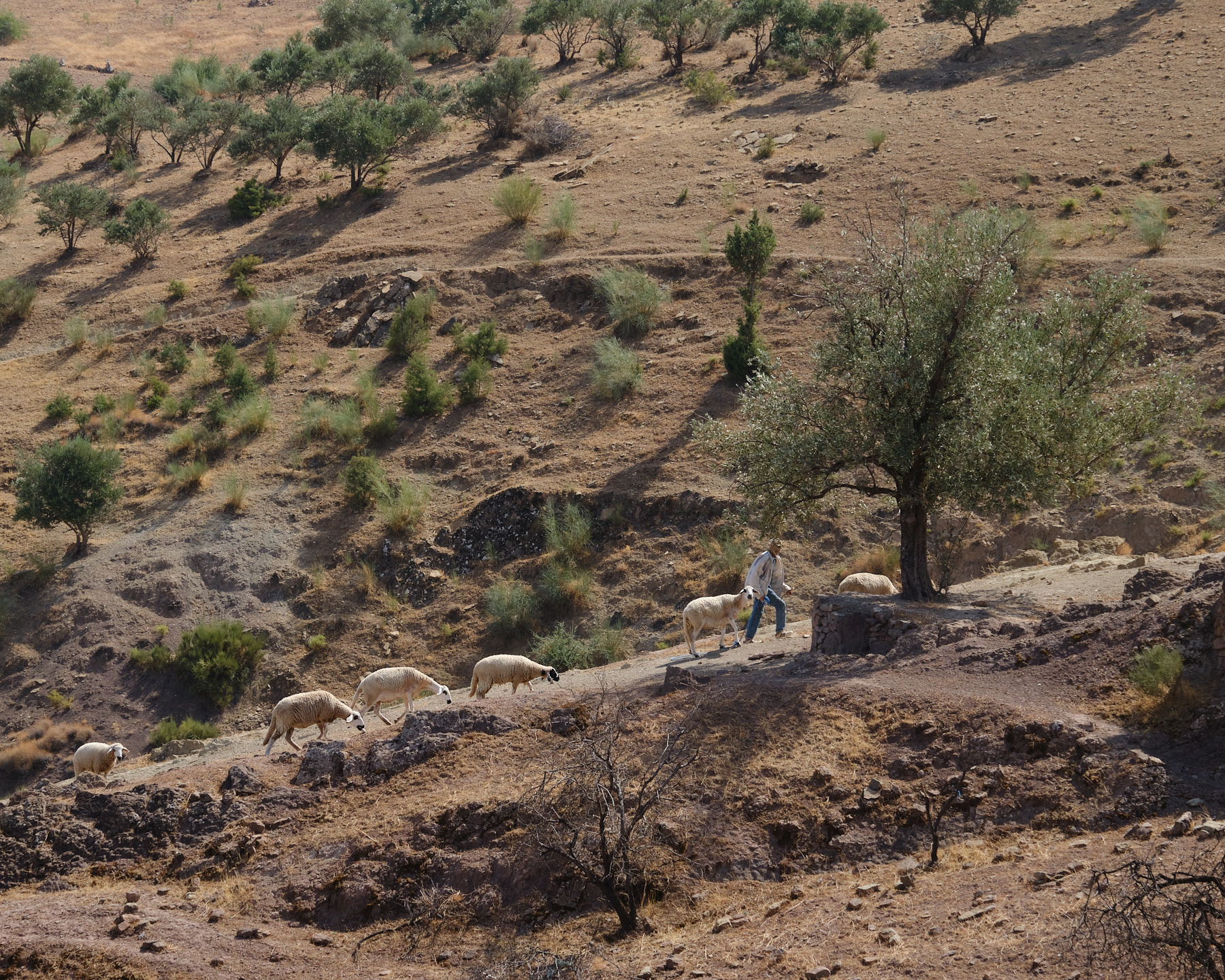
From Fez to Marrakech was a two-day roadtrip, which we broke up via a side trip to Bin El Ouidane, a huge lake in the Atlas Mountains created in the 1950s by a dam. Here we enjoyed a luxury spa hotel for two nights and the day in between. Two great experiences followed.
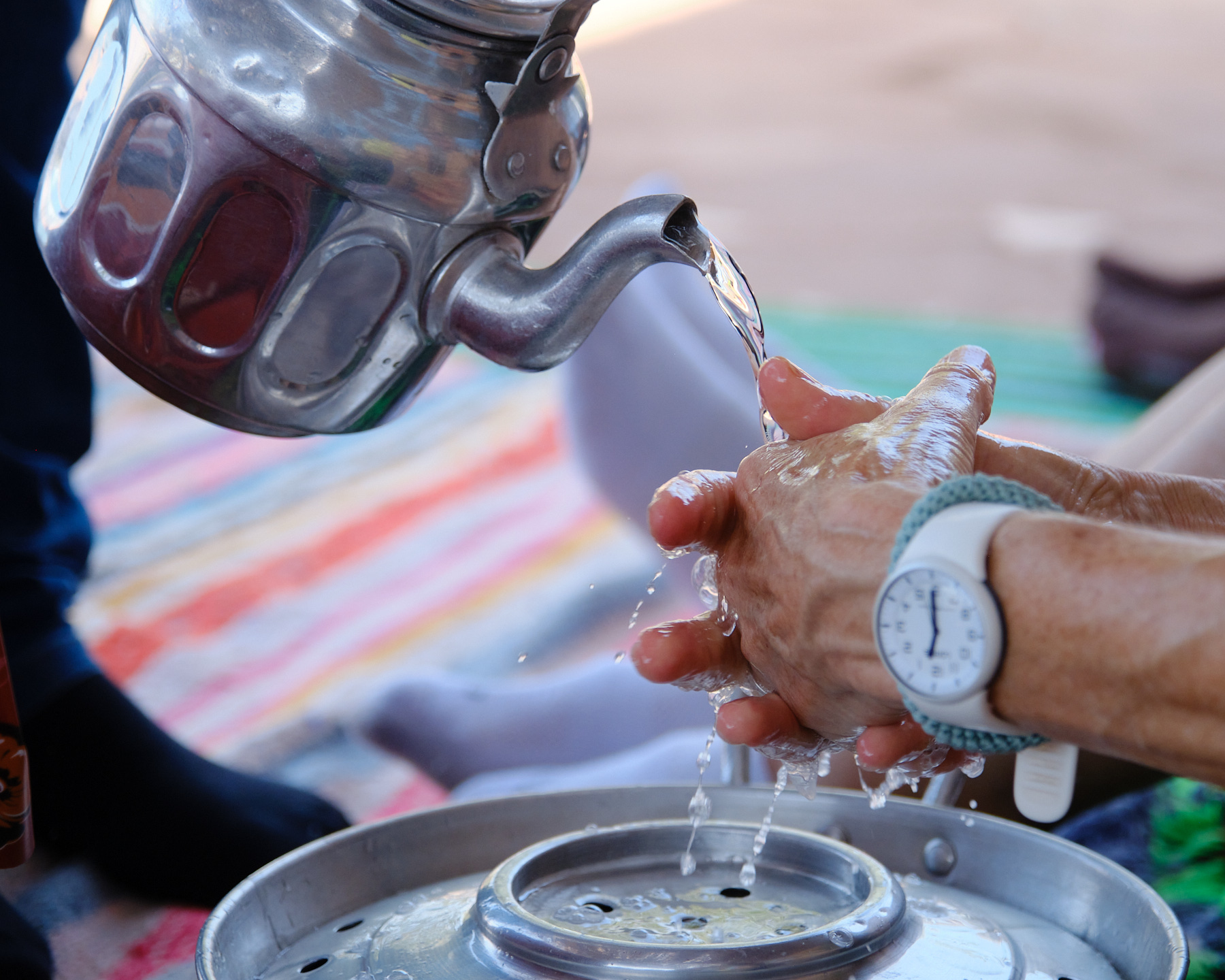
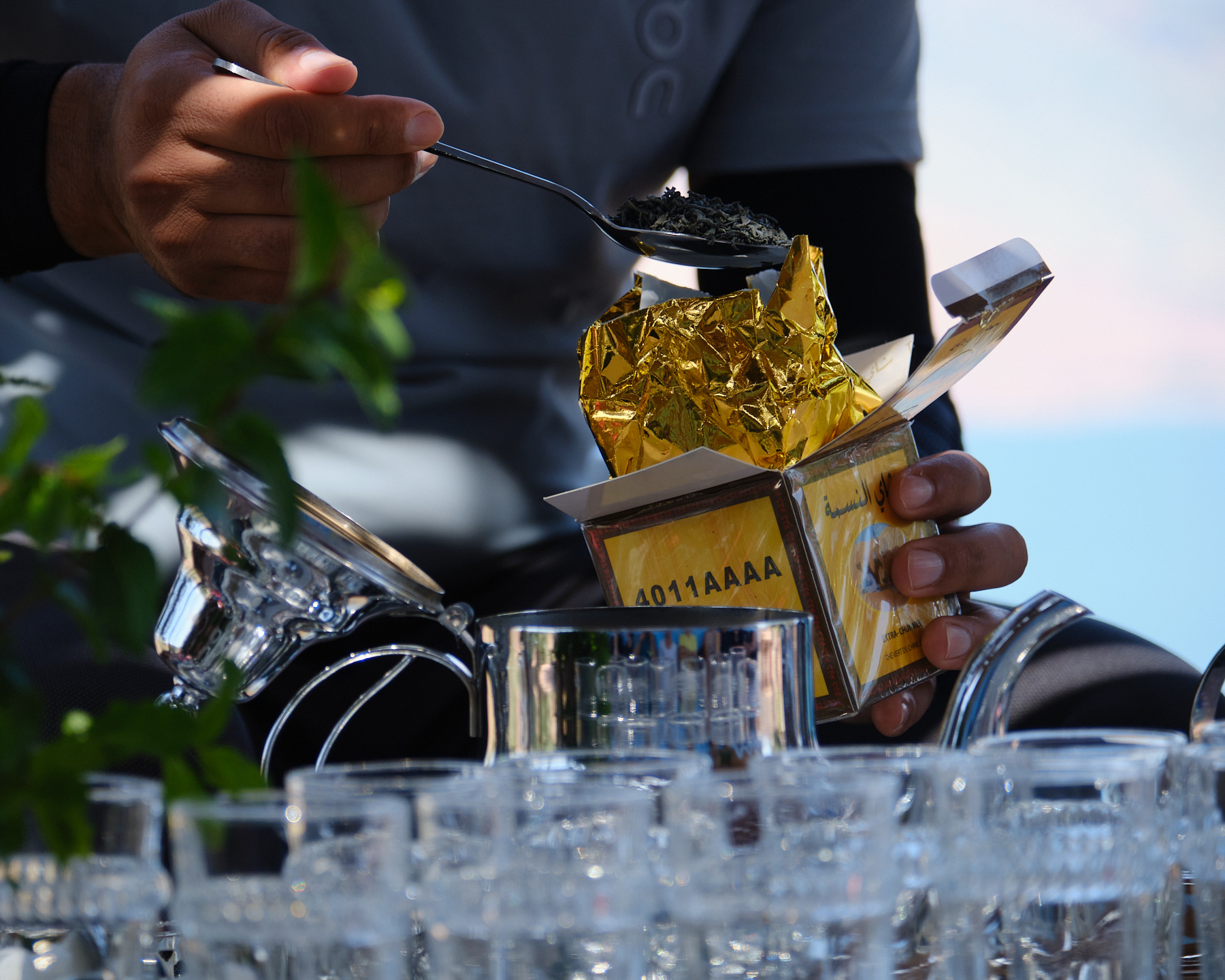
In the morning, we took a boat to villager’s house for lunch and felt traditional Moroccan hospitality, starting with a mint tea ceremony and enjoying a tagine while sitting crosslegged on blankets – with beuatiful views over the lake.
In the afternoon, we had a traditional Hamman steam bath and rough scrub, followed by a massage. Ahhhhhh.
End of Part 1
Continue to Part 2